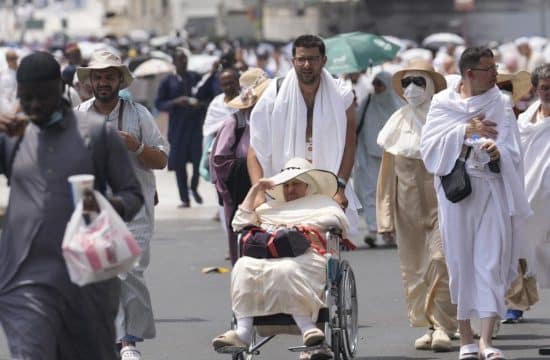
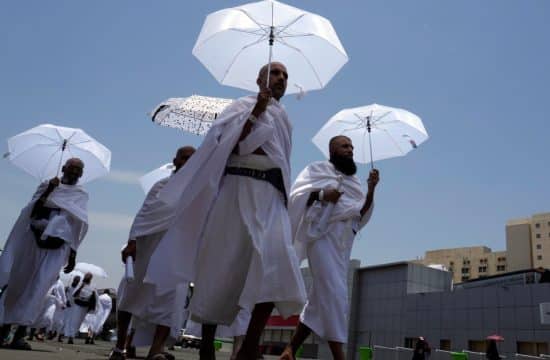
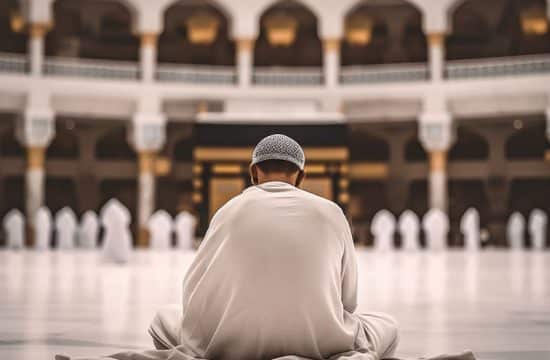
Hajj, the sacred pilgrimage to Mecca, is not merely a religious obligation but a profound journey of transformation and spiritual renewal. It is one of the Five Pillars of Islam, representing the pinnacle of spiritual devotion and submission to Allah. The pilgrimage draws millions of Muslims from around the world, each seeking to deepen their faith, attain spiritual purification, and renew their connection with the Divine. The transformative power of Hajj is reflected in countless personal stories of faith and devotion that illustrate how this sacred journey can profoundly alter lives, heal wounds, and inspire a greater sense of purpose and unity. In this blog, we will explore the transformative experiences of individuals who have embarked on Hajj, delving into their stories of faith, sacrifice, and spiritual awakening.
The Journey of Spiritual Renewal
A Tale of Redemption: Sara’s Spiritual Awakening
Sara, a successful businesswoman from London, had achieved many of her worldly goals but found herself yearning for a deeper sense of purpose. Despite her accomplishments, she felt a spiritual void that her material success could not fill. This inner emptiness led her to make the decision to undertake Hajj, hoping it would provide her with the spiritual renewal she was seeking.
The pilgrimage began with a profound sense of anticipation and reverence. Upon arriving in Mecca, Sara was overwhelmed by the sight of millions of pilgrims united in worship, all moving together in harmony around the Kaaba. The Tawaf—walking around the sacred sanctuary—was not just a physical act but a deeply spiritual one. Each circuit around the Kaaba felt like a step closer to Allah, reinforcing her sense of humility and devotion.
Sara’s experience at Arafat, where pilgrims gather to seek forgiveness and reflect on their lives, was a pivotal moment. As she stood on the plain of Arafat, surrounded by fellow worshippers, she felt an immense wave of spiritual enlightenment and peace. The act of supplication and reflection at this sacred site allowed her to confront her past, seek forgiveness, and renew her commitment to a life of faith and righteousness.
The rituals of Hajj, including the symbolic act of casting stones at the pillars representing Satan and the sacrifice of an animal, helped Sara reflect on the essence of sacrifice and submission to Allah. These acts, deeply rooted in Islamic tradition, were not mere rituals but profound expressions of her devotion and surrender to the Divine will.
Returning home, Sara’s life was profoundly transformed. She integrated the lessons learned during Hajj into her daily routine, emphasizing spiritual practices such as regular prayers, Quran recitation, and acts of charity. Her renewed sense of purpose and commitment to a life of faith and service was a testament to the transformative power of Hajj, reshaping her approach to life and deepening her spiritual connection.
Overcoming Personal Challenges
A Story of Perseverance: Ahmed’s Triumph Over Adversity
Ahmed, a young man from Cairo, faced numerous personal and financial obstacles before embarking on Hajj. His journey was marked by significant challenges, including financial constraints and health issues, which made the pilgrimage seem like a distant dream. Despite these hurdles, Ahmed’s determination to perform Hajj remained unwavering, driven by a deep sense of faith and commitment.
The journey to Mecca was fraught with difficulties. Ahmed encountered financial setbacks, struggled with health problems, and faced logistical challenges. However, his unshakable faith and perseverance inspired him to push through these obstacles. His story is a testament to the transformative impact of Hajj, highlighting how faith can empower individuals to overcome seemingly insurmountable challenges.
During the pilgrimage, Ahmed found solace and strength in the rituals of Hajj. The act of performing Sa’i, walking between the hills of Safa and Marwah, resonated deeply with him. This ritual, commemorating Hagar’s search for water, symbolized perseverance and faith in the face of adversity. Ahmed’s own struggles mirrored the trials faced by Hagar, and the experience provided him with a sense of empowerment and spiritual resilience.
The culmination of Ahmed’s pilgrimage was marked by the ritual of Eid al-Adha, where the act of sacrificing an animal symbolized the ultimate submission to Allah’s will. For Ahmed, this act was a profound expression of his faith and commitment, reinforcing the lessons of patience and perseverance learned throughout his journey.
Upon returning home, Ahmed’s perspective on life was transformed. The challenges he faced before and during Hajj had strengthened his resolve and deepened his faith. He approached life with a renewed sense of purpose and resilience, demonstrating how Hajj can be a powerful catalyst for personal growth and transformation.
Finding Forgiveness and Healing
A Tale of Reconciliation: Fatima’s Journey to Inner Peace
Fatima, a middle-aged woman from Jakarta, had experienced significant personal turmoil, including strained relationships and emotional pain. Her decision to undertake Hajj was motivated by a desire for forgiveness and healing. The pilgrimage represented an opportunity for her to seek reconciliation with Allah and find solace in the rituals of Hajj.
The experience of Hajj was deeply healing for Fatima. The ritual of standing at Arafat, known as the “Day of Arafat,” was particularly significant. This day of reflection and supplication allowed her to confront her past mistakes, seek forgiveness, and experience a profound sense of inner peace. The communal aspect of the pilgrimage, witnessing the unity and devotion of fellow pilgrims, further contributed to her emotional and spiritual healing.
The ritual of Tawaf, walking around the Kaaba, provided Fatima with a sense of connection and purification. Each circuit around the sacred sanctuary was an act of devotion and a step towards spiritual renewal. The experience of performing Hajj rituals, coupled with the communal prayers and supplications, allowed Fatima to release her emotional burdens and embrace a renewed sense of purpose.
Upon returning home, Fatima’s life was transformed by the lessons learned during Hajj. She worked to rebuild strained relationships and adopted a more compassionate and forgiving attitude towards others. Her Hajj experience had provided her with a renewed sense of peace and reconciliation, demonstrating how the pilgrimage can serve as a powerful catalyst for personal healing and transformation.
Strengthening Family Bonds
A Story of Unity: The Al-Mansoor Family’s Shared Journey
The Al-Mansoor family from Riyadh decided to undertake Hajj together as a means of strengthening their familial bonds and deepening their shared spirituality. The pilgrimage provided a unique opportunity for each family member to reflect on their faith and experience the rituals of Hajj in a collective and meaningful way.
The family’s journey to Mecca was marked by a sense of unity and shared purpose. Performing Tawaf and Sa’i together allowed the Al-Mansoor family to experience the pilgrimage as a cohesive unit. The act of walking around the Kaaba, performing the symbolic stoning of the pillars, and engaging in the rituals of Hajj fostered a sense of togetherness and mutual support.
The shared experience of Hajj had a profound impact on the family’s relationships. The pilgrimage allowed each family member to reflect on their individual spiritual journeys while also reinforcing their collective faith and values. The communal aspect of Hajj provided an opportunity for open communication, mutual support, and spiritual growth.
Returning home, the Al-Mansoor family’s strengthened bonds were evident in their renewed commitment to supporting one another in their faith journey. The experience of Hajj had deepened their spiritual connection and fostered a sense of unity and mutual understanding. The family’s story highlights how Hajj can serve as a powerful means of strengthening familial ties and creating a shared sense of spiritual fulfillment.
Embracing a Life of Service
A Tale of Transformation: Ibrahim’s Commitment to Philanthropy
Ibrahim, a young entrepreneur from Dubai, undertook Hajj with the intention of seeking guidance and purpose for his life. The pilgrimage provided him with a profound sense of clarity and direction, leading him to embrace a life dedicated to service and philanthropy.
During Hajj, Ibrahim experienced a deep spiritual awakening. The rituals of Hajj, including the acts of charity and sacrifice, inspired him to reconsider his life’s mission. Witnessing the global unity of Muslims and the emphasis on compassion and service during the pilgrimage left a lasting impression on Ibrahim. He felt a strong calling to contribute to his community and support those in need.
Upon returning home, Ibrahim channeled his newfound sense of purpose into establishing a charitable organization dedicated to providing aid to underprivileged communities. His Hajj experience transformed his perspective on success and fulfillment, leading him to prioritize service and generosity in his life. Ibrahim’s story exemplifies how Hajj can inspire individuals to embrace a life of service and make a positive impact on society.
The Universal Impact of Hajj
Hajj’s transformative power extends beyond individual experiences, influencing the broader Muslim community and fostering a sense of global unity. The pilgrimage serves as a reminder of the shared values and collective purpose of Muslims worldwide, reinforcing the importance of compassion, humility, and faith.
Fostering Global Unity:
- Shared Experience: Hajj brings together Muslims from diverse cultural, linguistic, and socioeconomic backgrounds, creating a sense of global unity and brotherhood. The shared rituals and experiences of Hajj emphasize the commonality of faith and the collective identity of the Muslim Ummah. This unity is a powerful reminder of the strength of shared beliefs and the ability of faith to transcend geographical and cultural boundaries.
- Empathy and Compassion: The experience of Hajj fosters empathy and compassion for others, as pilgrims witness the struggles and sacrifices of fellow believers. This shared sense of humanity encourages a spirit of mutual support and solidarity within the global Muslim community. The pilgrimage’s emphasis on charity and service highlights the importance of caring for others and contributing to the well-being of society.
- Renewed Commitment to Faith: The transformative impact of Hajj extends to the broader Muslim community, as pilgrims return home with a renewed commitment to their faith and a deeper understanding of its principles. This renewed dedication influences their interactions with others and contributes to the overall spiritual vitality of the Muslim Ummah.
Conclusion
The transformative power of Hajj is reflected in the profound personal stories of faith, sacrifice, and spiritual renewal that arise from this sacred pilgrimage. From individual journeys of spiritual awakening and healing to collective experiences of unity and service, Hajj serves as a powerful catalyst for transformation and growth. As pilgrims return home, their lives are often marked by a renewed sense of purpose, a deeper connection with Allah, and a commitment to living a life of faith and service. The stories of Sara, Ahmed, Fatima, the Al-Mansoor family, and Ibrahim are just a few examples of the many ways in which Hajj can profoundly impact individuals and communities. Through the transformative experience of Hajj, Muslims around the world are reminded of the profound power of faith and devotion to shape lives and foster a sense of global unity.