The Hajj pilgrimage is not merely a physical journey to Mecca; it is a profound spiritual expedition that encompasses deep-rooted traditions, historical significance, and personal transformation. For Muslims around the world, performing Hajj is a sacred duty and a profound expression of faith, bringing a unique opportunity to seek divine forgiveness, renewal, and spiritual elevation. This comprehensive exploration delves into the intricate spiritual significance of Hajj, revealing its transformative power and the profound impact it has on the lives of those who undertake this sacred journey.
The Sacred Obligation of Hajj
Hajj is one of the Five Pillars of Islam, making it a fundamental act of worship and devotion. Its significance is emphasized in both the Quran and Hadith, the primary sources of Islamic teachings. The obligation of Hajj is rooted in the following Quranic verse:
“And (due) to Allah from the people is a pilgrimage to the House – for whoever is able to find thereto a way.” (Quran 3:97)
This verse underscores that Hajj is not merely a ritual but a profound act of worship that reflects submission to Allah’s will. It is a testament to the Muslim’s willingness to follow divine commands and engage in acts of worship that transcend the mundane aspects of life. The journey to Mecca represents a return to the essence of faith, purity, and devotion, encapsulating the core values of Islam.
The Historical and Spiritual Roots of Hajj
The origins of Hajj are deeply intertwined with the narratives of Prophet Ibrahim (Abraham), his wife Hagar, and their son Ismail. These historical events hold profound spiritual significance and form the foundation of the Hajj rituals:
- The Story of Ibrahim and Hagar: According to Islamic tradition, Allah commanded Ibrahim to leave his wife Hagar and their infant son Ismail in the desolate desert of Mecca. The harsh conditions of the desert highlighted Hagar’s faith and perseverance as she sought water for her child. Her desperate search, known as Sa’i, between the hills of Safa and Marwah, was rewarded by the miraculous emergence of the Zamzam well.
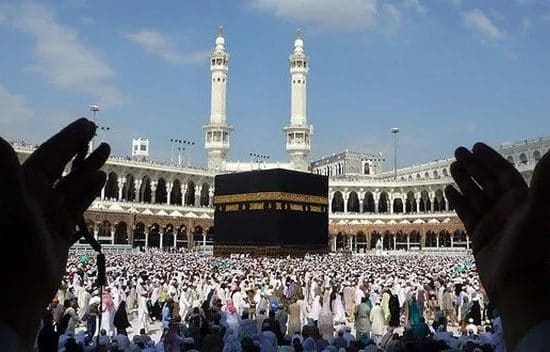
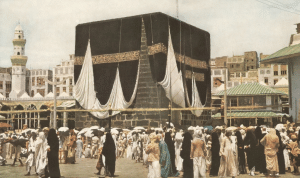
- The Building of the Kaaba: Following these events, Allah commanded Ibrahim to build the Kaaba, a sacred structure in Mecca. The Kaaba became the focal point of worship for Muslims, symbolizing the unity of believers in their devotion to the One God. The Kaaba’s role as a central place of worship underscores the importance of unity and submission in Islam.
- The Sacrifice of Ibrahim: The ritual of Qurbani, or sacrifice, commemorates Ibrahim’s willingness to sacrifice his son in obedience to Allah. This act of devotion exemplifies the ultimate submission to divine will and is a cornerstone of the Hajj pilgrimage.
The Spiritual Rites of Hajj
Hajj involves a series of rites performed over several days, each with profound spiritual meaning. These rites are designed to purify the pilgrim’s soul, foster a sense of unity, and renew one’s connection with Allah:
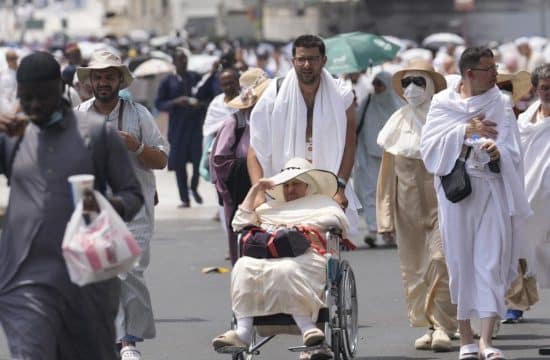
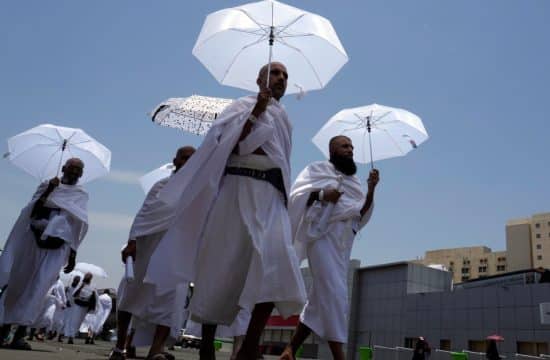
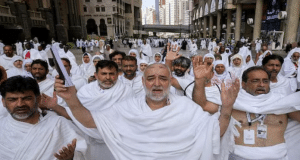
- Ihram: The pilgrimage begins with the state of Ihram, where pilgrims don simple white garments. This attire symbolizes purity, equality, and detachment from worldly concerns. The Ihram signifies the shedding of material distinctions and the embracing of a state of spiritual purity.
- Tawaf: Pilgrims perform Tawaf by circumambulating the Kaaba seven times in a counterclockwise direction. This act of worship reflects the centrality of Allah in a Muslim’s life and the acceptance of His sovereignty. Tawaf is a profound act of devotion, representing the unity of believers as they collectively honor the sacredness of the Kaaba.
- Sa’i: The ritual of Sa’i involves walking seven times between the hills of Safa and Marwah. This act commemorates Hagar’s search for water and symbolizes perseverance and trust in Allah’s provision. The Sa’i represents the believer’s journey through life’s challenges, drawing strength from faith and divine support.
- Standing at Arafat (Wuquf): The climax of Hajj occurs at the plain of Arafat, where pilgrims gather for a day of reflection, supplication, and repentance. Standing at Arafat is a moment of profound spiritual connection, where pilgrims seek forgiveness, make heartfelt prayers, and contemplate their relationship with Allah. This experience is often described as a transformative moment of spiritual enlightenment and emotional release.
- Muzdalifah: After Arafat, pilgrims spend the night in Muzdalifah, gathering pebbles for the ritual of Rami al-Jamarat. This act symbolizes the rejection of evil and the reaffirmation of faith. Spending the night in Muzdalifah fosters a sense of communal solidarity and humility, reinforcing the pilgrim’s devotion and commitment.
- Rami al-Jamarat: Pilgrims throw pebbles at three pillars in Mina, representing the rejection of Satan’s temptations. This ritual commemorates Ibrahim’s rejection of Satan’s attempts to dissuade him from obeying Allah. The act of throwing pebbles symbolizes the believer’s resolve to resist temptation and uphold faith.
- Eid al-Adha: The sacrifice of an animal during Eid al-Adha commemorates Ibrahim’s willingness to sacrifice his son in obedience to Allah. The act of sacrifice symbolizes submission to divine will and the sharing of blessings with those in need. It is a powerful reminder of the importance of selflessness and generosity.
- Tawaf al-Ifadah: Pilgrims perform another circumambulation of the Kaaba, signifying the completion of the essential rites of Hajj and the renewal of their faith. This final Tawaf represents the pilgrim’s return to a state of spiritual purity and readiness to embrace the lessons learned during the pilgrimage.
- Shaving/Cutting Hair: Men shave their heads or cut their hair, and women cut a small portion of their hair. This act symbolizes the shedding of past sins and the renewal of one’s spiritual state. It represents a physical manifestation of the pilgrim’s spiritual transformation and commitment to a renewed path.
The Transformative Power of Hajj
The spiritual significance of Hajj extends far beyond the performance of rituals. It is a transformative experience that affects pilgrims on multiple levels, fostering a deep sense of personal and spiritual growth:
- Spiritual Renewal: Hajj provides an opportunity for profound spiritual cleansing and renewal. The pilgrimage encourages believers to seek forgiveness for past sins, make sincere intentions for future conduct, and strengthen their connection with Allah. The experience of standing at Arafat and engaging in acts of worship promotes a deep sense of spiritual renewal and self-examination.
- Unity and Equality: The uniformity of the Ihram garments and the shared experiences of the pilgrimage emphasize the unity of the Muslim Ummah. Regardless of race, nationality, or social status, all pilgrims stand as equals before Allah. This sense of equality fosters a spirit of global brotherhood and solidarity among Muslims, transcending worldly distinctions and promoting a sense of collective identity.
- Strengthening Faith: The physical and spiritual challenges of Hajj serve to strengthen one’s faith. Enduring the rigors of the pilgrimage while remaining focused on worship and devotion deepens the pilgrim’s connection with Allah and enhances their spiritual resilience. The experience of facing adversity with faith and perseverance contributes to a more profound understanding of divine guidance and support.
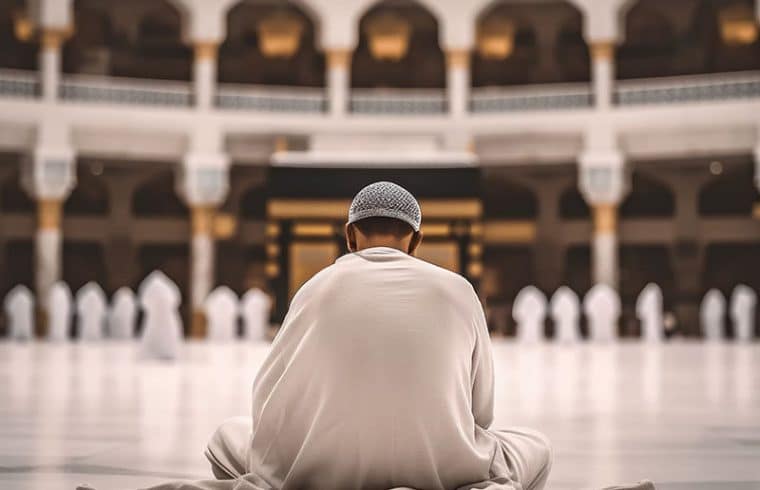
- Reflection and Gratitude: The pilgrimage offers ample time for reflection and gratitude. Pilgrims are encouraged to contemplate their lives, seek personal growth, and express gratitude for Allah’s blessings. The simplicity of the pilgrimage rituals, combined with the grandeur of the sacred sites, creates a powerful environment for introspection and appreciation of divine mercy.
- Lasting Impact: The impact of Hajj extends beyond the pilgrimage itself. Many pilgrims report a lasting change in their attitudes, behaviors, and relationships. The lessons learned during Hajj often translate into a more meaningful and conscious approach to daily life. The transformative experiences of Hajj inspire pilgrims to embody the values of faith, humility, and compassion in their interactions with others.
Preparing for the Journey
Embarking on the Hajj pilgrimage requires careful preparation to ensure a meaningful and fulfilling experience. Pilgrims should focus on both spiritual and practical aspects to fully embrace the pilgrimage’s spiritual significance:
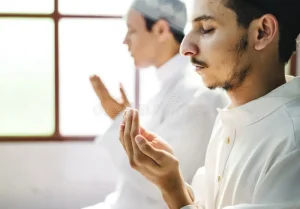
- Spiritual Preparation: Engage in regular prayers, seek forgiveness, and make sincere intentions for the pilgrimage. Developing a strong sense of devotion and understanding the significance of the rites will enhance the spiritual experience of Hajj. Spiritual preparation involves cultivating a mindset of humility, patience, and gratitude, which are essential for a transformative pilgrimage.
- Practical Preparation: Ensure that all logistical arrangements, including travel, accommodation, and health considerations, are in place. Being well-prepared helps to minimize stress and allows pilgrims to focus on the spiritual aspects of the journey. Practical preparation includes understanding the rituals, coordinating travel logistics, and ensuring access to necessary resources.
- Physical Preparation: Hajj involves physical exertion, including long walks and standing for extended periods. Physical fitness and health precautions are essential to handle the demands of the pilgrimage comfortably. Pilgrims should engage in regular exercise, maintain a healthy diet, and consult with healthcare professionals to ensure they are physically prepared for the pilgrimage.
The Global Significance of Hajj
Hajj is not only a personal pilgrimage but also a global event that reflects the unity and diversity of the Muslim Ummah. The annual gathering of millions of pilgrims from around the world underscores the universality of Islam and the shared commitment to worship and devotion. The pilgrimage fosters intercultural exchange and mutual understanding, highlighting the common values and aspirations that bind Muslims together.
The global significance of Hajj extends to its impact on the broader Muslim community and beyond. The pilgrimage serves as a reminder of the importance of solidarity, compassion, and service to humanity. The lessons learned during Hajj inspire individuals to contribute positively to their communities and work towards building a more just and equitable world.
Conclusion
Hajj is indeed a journey of a lifetime, encompassing both physical and spiritual dimensions. It is a pilgrimage that embodies the core principles of Islam—submission, unity, and devotion. By embracing the spiritual significance of Hajj, pilgrims embark on a transformative journey that deepens their connection with Allah, strengthens their faith, and fosters a sense of global solidarity. The lessons learned and the experiences gained during Hajj have the power to inspire and guide believers long after they return to their everyday lives, making it a truly unforgettable and life-changing experience.
The journey of Hajj is more than a series of rituals; it is a profound testament to the power of faith, the pursuit of spiritual enlightenment, and the enduring bonds of the Muslim Ummah. For those who undertake this sacred pilgrimage, Hajj represents a lifelong commitment to embodying the values of faith, humility, and compassion in all aspects of life.