Hajj, the fifth pillar of Islam, is a profound spiritual journey that every Muslim is required to undertake at least once in their lifetime, provided they have the means. For first-time pilgrims, the journey can be both exhilarating and overwhelming. With its complex rituals, immense crowds, and profound spiritual significance, preparing for Hajj requires careful planning and understanding. This guide aims to provide first-time pilgrims with a thorough overview of what to expect, how to prepare, and tips for navigating the sacred pilgrimage with ease.
1. Understanding the Significance of Hajj
A Sacred Journey: The Spiritual and Historical Context
Hajj is more than a physical journey; it is a profound spiritual experience rooted in the traditions of Prophet Ibrahim (Abraham) and his family. It commemorates the trials of Hagar and the sacrifice of Ibrahim, and it is a time for Muslims to renew their faith, seek forgiveness, and reflect on their relationship with Allah.
- Historical Significance: Hajj follows the footsteps of Prophet Ibrahim and his family, particularly the events of Hagar’s search for water and Ibrahim’s willingness to sacrifice his son in obedience to Allah. Understanding these historical events provides pilgrims with a deeper appreciation of the rituals they perform.
- Spiritual Significance: Hajj is a chance for spiritual renewal and purification. It is an opportunity to seek forgiveness for past sins, make a fresh start, and develop a deeper connection with Allah. Pilgrims often experience a sense of unity and brotherhood with fellow Muslims, reinforcing the global community’s shared faith and devotion.
2. Preparing for the Journey
Essential Preparations: What First-Time Pilgrims Need to Know
Preparation is key to a smooth and fulfilling Hajj experience. Here are some crucial steps to take before embarking on the pilgrimage:
- Understanding Hajj Rituals: Familiarize yourself with the key rituals of Hajj, including Ihram, Tawaf, Sa’i, standing at Arafat, the symbolic stoning of the pillars (Ramy al-Jamarat), and Eid al-Adha. Understanding the significance and sequence of these rituals will enhance your spiritual experience and ease your navigation of the pilgrimage.
- Health and Safety Precautions: Consult with your healthcare provider to ensure you are in good health for the pilgrimage. Obtain necessary vaccinations, such as meningitis and seasonal flu, and carry any required medications. Consider carrying a basic first aid kit and familiarize yourself with local health facilities in Mecca and Medina.
- Travel Documentation: Ensure your passport is valid for at least six months beyond your travel dates. Obtain a visa for Hajj through the Saudi Arabian embassy or consulate in your country. Keep copies of important documents, such as your passport, visa, and travel insurance, in a secure place.
3. Packing Essentials
What to Bring: A Comprehensive Packing List
Packing for Hajj requires careful consideration, as you will need to balance practicality with the requirements of the pilgrimage:
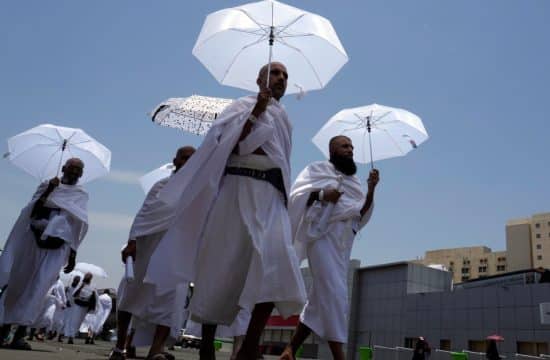
- Ihram Clothing: Ihram is the simple, white garment worn during Hajj. For men, it consists of two pieces of unstitched cloth, while women wear modest clothing that covers their entire body. Ensure your Ihram clothing is clean and comfortable, and consider bringing an extra set in case of emergencies.
- Comfortable Footwear: You will be walking a lot, so bring comfortable and durable shoes. Opt for open-toe sandals or shoes that are easy to remove, as certain rituals require removing footwear.
- Personal Items: Pack essential personal items, such as toiletries, sunscreen, a reusable water bottle, and a small umbrella for shade. Consider bringing a lightweight bag or backpack to carry your belongings during the pilgrimage.
- Health and Safety Items: Include medications, a basic first aid kit, hand sanitizer, and masks. It’s also wise to carry a small flashlight or headlamp for navigating crowded areas.
4. Navigating the Rituals of Hajj
A Step-by-Step Guide to Performing Hajj Rituals
Understanding and performing the rituals of Hajj correctly is essential for a fulfilling pilgrimage. Here’s a step-by-step guide to help first-time pilgrims navigate the rituals:
- Ihram: Upon arrival in Mecca, enter a state of Ihram by donning the Ihram clothing and making the intention (niyyah) for Hajj. Recite the Talbiyah prayer and maintain the state of Ihram by refraining from certain actions, such as cutting hair or using scented products.
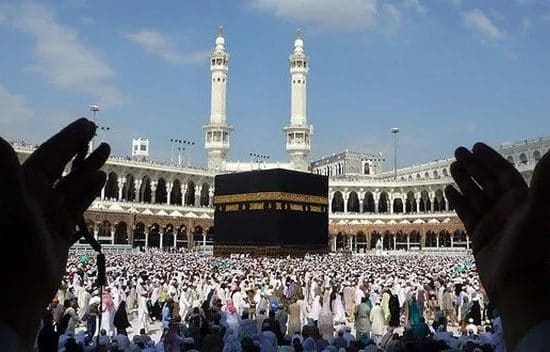
- Tawaf: Perform Tawaf by walking around the Kaaba seven times in a counter-clockwise direction. This ritual signifies the pilgrim’s submission to Allah and is performed in a state of humility and reverence.
- Sa’i: After Tawaf, proceed to Sa’i, where you walk seven times between the hills of Safa and Marwah. This act commemorates Hagar’s search for water for her son Isma’il and symbolizes perseverance and faith.
- Standing at Arafat: On the 9th day of Dhu al-Hijjah, gather at the plain of Arafat for the main ritual of Hajj. Spend the day in prayer, reflection, and supplication, seeking forgiveness and making heartfelt requests to Allah. This is a profound spiritual experience and a central component of Hajj.
- Ramy al-Jamarat: After Arafat, proceed to Mina and perform the symbolic stoning of the pillars, representing the rejection of evil. This ritual involves throwing pebbles at three pillars, symbolizing the defeat of Satan’s temptations.
- Eid al-Adha: Celebrate Eid al-Adha by performing the sacrifice of an animal, such as a sheep or goat. This act commemorates Prophet Ibrahim’s willingness to sacrifice his son in obedience to Allah. The meat is distributed to family, friends, and those in need.
- Final Tawaf: Complete your Hajj by performing the final Tawaf, known as Tawaf al-Ifadah. This ritual signifies the conclusion of Hajj and your return to a state of purity and devotion.
5. Navigating the Sacred Cities
Practical Tips for Moving Around Mecca and Medina
Mecca and Medina are bustling with pilgrims, so navigating these sacred cities requires careful planning:
- Accommodation: Book your accommodation well in advance to ensure proximity to the holy sites. Many pilgrims opt for hotels close to the Haram in Mecca and the Prophet’s Mosque in Medina.
- Transportation: Familiarize yourself with local transportation options, such as buses and taxis, to move between the sacred sites. Consider using reputable travel agencies or tour operators to facilitate your transportation and manage logistics.
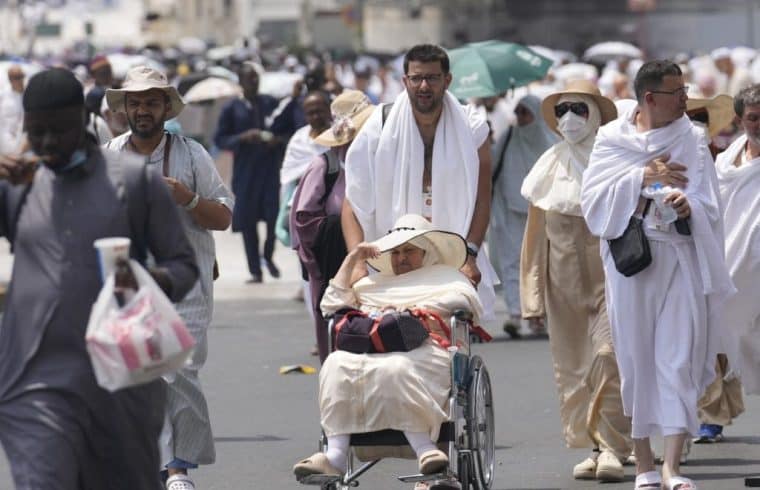
- Crowd Management: Be prepared for large crowds, especially during peak times. Exercise patience and remain calm in crowded areas. Follow local guides and authorities for instructions and maintain awareness of your surroundings.
6. Maintaining Spiritual Focus
Staying Spiritually Grounded During the Pilgrimage
Maintaining spiritual focus is essential for a meaningful Hajj experience:
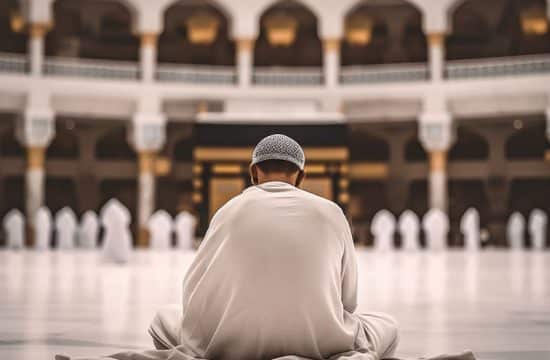
- Regular Prayers: Perform your prayers (Salah) on time and in congregation whenever possible. The collective prayers in the holy mosques enhance the sense of unity and spiritual connection.
- Personal Reflection: Set aside time for personal reflection and supplication. Use this opportunity to seek forgiveness, express gratitude, and strengthen your relationship with Allah.
- Community Involvement: Engage with fellow pilgrims in acts of kindness and support. The communal aspect of Hajj fosters a sense of brotherhood and encourages mutual support and encouragement.
7. Post-Hajj Reflection and Integration
Carrying the Lessons of Hajj into Daily Life
Returning home after Hajj presents an opportunity to reflect on the pilgrimage and integrate its lessons into daily life:
- Reflect on the Experience: Take time to reflect on your Hajj experience and its impact on your spiritual journey. Consider journaling your thoughts and feelings to gain deeper insights into the pilgrimage’s significance.
- Incorporate Lessons Learned: Implement the lessons learned during Hajj into your daily routine. Emphasize spiritual practices, such as regular prayers, acts of charity, and personal reflection.
- Share Your Experience: Share your Hajj experience with family, friends, and fellow Muslims. Your insights and stories can inspire others and foster a deeper understanding of the pilgrimage.
8. Common Challenges and Solutions
Addressing Common Issues Faced by First-Time Pilgrims
First-time pilgrims may encounter various challenges during Hajj. Here are some common issues and solutions:
- Language Barriers: Language differences can be challenging. Consider learning basic Arabic phrases or using translation apps to communicate effectively with locals and fellow pilgrims.
- Health Concerns: The physical demands of Hajj can be taxing. Stay hydrated, follow health precautions, and seek medical assistance if needed. Be mindful of any pre-existing health conditions and consult with healthcare providers before the pilgrimage.
- Navigational Difficulties: The large crowds and complex layout of the holy sites can be overwhelming. Use maps, follow signage, and seek guidance from local authorities or experienced pilgrims to navigate effectively.
Conclusion
Embarking on the journey of Hajj is a momentous occasion that requires careful preparation and understanding. By familiarizing yourself with the significance of Hajj, preparing thoroughly, and navigating the pilgrimage with spiritual focus, first-time pilgrims can experience the profound transformative power of this sacred journey. The pilgrimage to Mecca is not only a physical journey but a deep spiritual exploration, offering a chance to renew faith, seek forgiveness, and embrace a life of devotion and purpose. With careful planning and heartfelt intention, the journey of Hajj can become a cherished and transformative chapter in your spiritual life.