Saudi Arabia basics
- Official name: Kingdom of Saudi Arabia (KSA)
- Capital: Riyadh
- Population: 34 million
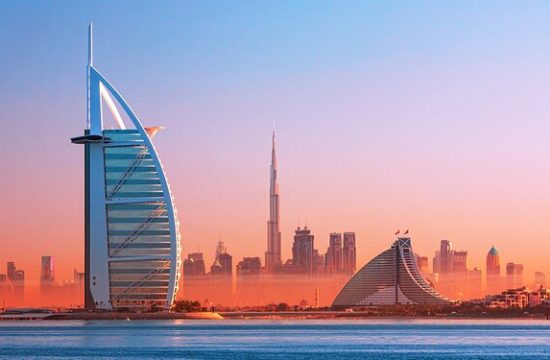
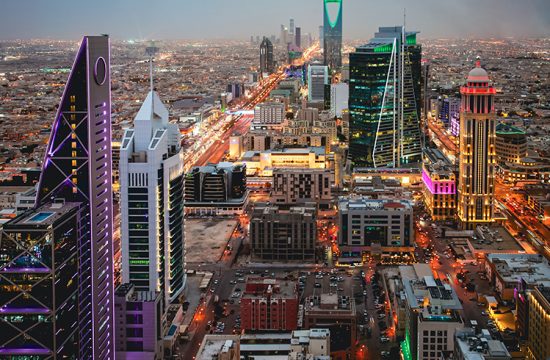
Saudi Arabia is a land of contrasts and fascinating statistics. As the 12th largest country in the world by landmass, its vast deserts and modern cities offer unique ancient traditions and futuristic ambitions. With a youthful population of approximately 34 million people, half are under 25—a demographic that reflects both challenges and opportunities for the nation.
Expats play an important role in Saudi society, accounting for more than 30% of the population and over 70% of the workforce. This activity emphasizes the kingdom’s reliance on foreign talent, particularly in key industries, while shaping its multicultural cities.
The Saudi state was established in 1932 as an absolute monarchy. The royal family, the House of Saud, wields important power, with King Salman as the current monarch. However, much of the kingdom’s day-to-day decision-making falls to his son, Crown Prince Mohammed bin Salman (MBS). MBS is widely recognized as the driving force behind Vision 2030, an ambitious program aimed at diversifying the economy, modernizing society, and developing Saudi Arabia as a global tourism destination.
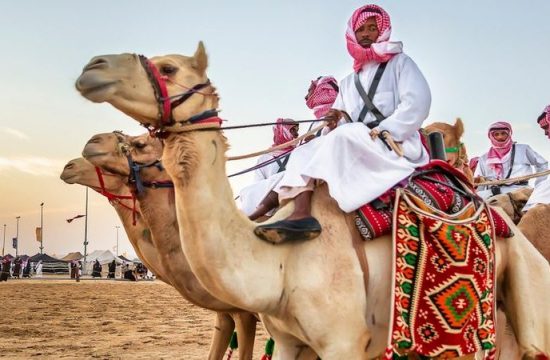
Religion is deeply intertwined with Saudi identity. The Arabian Peninsula is the birthplace of Islam, and the kingdom is home to its two holiest cities: Mecca and Medina. These cities are the focal points of the Hajj and Umrah pilgrimages, drawing millions of Muslims from around the globe annually. For visitors, understanding the significance of religion in Saudi culture is essential to navigating and respecting the societal norms of this deeply spiritual country.
Don’t miss the religion section of this guide for a closer look at Saudi Arabia’s religious practices and how they might impact your visit.
When’s the best time to visit Saudi Arabia?
Do not visit Saudi Arabia in the summer.
Saudi Arabia is a country of extremes, especially regarding weather. Summers are scorching, with temperatures often soaring above 40°C. Avoiding traveling to Saudi Arabia during this time is wise unless you thrive in intense heat. That said, there’s one notable exception: the mountains of Asir province. This region’s higher altitude and cloud cover create a cooler and more pleasant climate, even during the hottest months.
For most travelers, the ideal time to visit Saudi Arabia is during the winter months, from October to March. Between November and February, temperatures are most comfortable, typically ranging from 25°C to 30°C, depending on the region. These milder conditions make it the perfect season to explore Saudi Arabia’s diverse scenery, from the vast deserts to the busy cities.
Temperatures start to climb again around late February or early March, though the unpredictability of climate change means variations are increasingly common. For the best experience, plan your trip in the heart of winter to enjoy Saudi Arabia at its most temperate. Whether you’re exploring Riyadh’s modern marvels or venturing into the historic ruins of Al-Ula, the cooler months will make your journey far more enjoyable.
Visas for Saudi Arabia
Saudi Arabia was a challenging ordeal. Unless you were a Muslim on pilgrimage to Mecca or Medina or a business executive with industry ties, gaining access to the kingdom as a tourist was nearly impossible.
Before 2019, a few determined travelers found loopholes, entering under “business” visas arranged by tour operators or attending ticketed events that granted temporary access. In 2018, Saudi Arabia began experimenting with tourist visas for specific events, but these opportunities were limited, and the average tourist was left out.
Then came the ready in 2019: the introduction of the e-visa system. This marked an important shift in Saudi Arabia’s approach to tourism, aligning with its Vision 2030 initiative to diversify the economy. The e-visa system is refreshingly straightforward and user-friendly, making the process faster and easier than ever imagined.
When I applied for my Saudi Arabia e-visa, I was stunned by how whole it was. Filling out the application online took me less than 15 minutes. I submitted it, stepped away briefly, and by the time I returned—less than five minutes later—a PDF of my approved visa was waiting for me. Yes, it’s that quick.
The new visa system is convenient and symbolic of Saudi Arabia’s efforts to open its doors to the world, inviting travelers to explore its rich culture, history, and modern transformations. If you’ve ever dreamed of visiting, now is the perfect time to make it happen.

For visa consultancy you can reach out to us through our website https://www.traveltouriz.com
Who’s eligible for a Saudi Arabia e-visa?
As of 2020, citizens of the following countries are eligible for a Saudi Arabia tourist e-visa:
Europe:
Austria, Andorra, Belgium, Bulgaria, Croatia, Cyprus, Czech Republic, Denmark, Estonia, Finland, France, Germany, Greece, Hungary, Iceland, Ireland, Italy, Latvia, Liechtenstein, Lithuania, Luxembourg, Malta, Monaco, Montenegro, Netherlands, Norway, Poland, Portugal, Romania, Russia, San Marino, Slovakia, Slovenia, Spain, Sweden, Switzerland, Ukraine, and the United Kingdom.
Asia-Pacific:
Australia, Brunei, China (including Hong Kong and Macau), Japan, Kazakhstan, Malaysia, New Zealand, Singapore, and South Korea.
North America:
Canada and the United States.
This list represents countries whose citizens can take advantage of Saudi Arabia’s simplified e-visa process, making exploring the kingdom’s diverse offerings easier.
For the most accurate and current information on eligibility, visa costs, and application procedures, visit the official Saudi Arabia e-visa website. The platform provides up-to-date details and an easy-to-navigate application portal.
Whether you’re dreaming of exploring ancient desert countryside’s, visiting busy modern cities, or immersing yourself in the rich culture of the Arabian Peninsula, securing your Saudi e-visa is now a hassle-free first step.
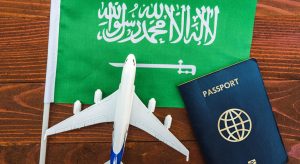
What to pack for travel in Saudi Arabia
When preparing for a trip to Saudi Arabia, it’s important to pack with the local culture, environment, and practicality in mind. Here are some key items I strongly recommend bringing:
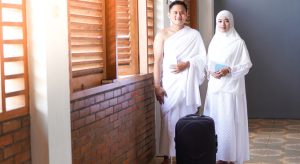
Modest Clothing
Saudi Arabia is an Islamic country, so modesty is essential. Both men and women should cover their shoulders, arms, and knees at a minimum. For women, packing an abaya (a loose-fitting, full-length robe) can be helpful, especially when visiting religious sites or more conservative areas.
Travel Adapter
Saudi Arabia uses the G-type plugs (three rectangular holes) that are standard in the UK. If traveling from Europe or the US, you’ll need a travel adapter to charge your devices. I always carry a few of these adapters, especially the ones with USB outlets, for added convenience.
Reusable Water Bottle
Plastic waste is a big issue in Saudi Arabia, and small plastic water bottles are ubiquitous. To minimize your impact, bring a reusable water bottle. Tap water is generally safe, and water filters are common in cities. I recommend an insulated Hydroflask to keep your water cold, even in the sweltering heat.
Reusable Coffee/Tea Cup
If you’re boarding a road trip or spending much time on the highway, a reusable travel mug is a lifesaver for keeping your coffee, tea, or cold drinks at the perfect temperature. Plus, it helps reduce the reliance on single-use plastic cups.
Good Sunscreen
Saudi Arabia’s sun is relentless, with dry heat that can wreak havoc on your skin. Be sure to pack a high-quality sunscreen to protect yourself from sunburns and the harsh desert climate. I recommend sunscreen that’s not greasy or sticky—your skin will thank you.
Arabic Phrasebook
While English is spoken in major cities, it’s not widely understood in rural areas. I highly recommend bringing an Arabic phrasebook to help with basic communication, especially in the local dialects. If you’re struggling with language, Google Translate often doesn’t provide accurate translations for Saudi Arabic, so having a dedicated phrasebook is a lifesaver.
Food in Saudi Arabia
If you love food, prepare to put on a few pounds in Saudi Arabia. Saudi Arabia has long been a crossroads of cultures. Traders came in by horse and camel from the north, while others came by sea. Muslim pilgrims from all over the world have traveled to Mecca for centuries.
As a result, Saudi cuisine draws on many influences, and many common dishes in Saudi Arabia originate elsewhere. Though not traditionally Saudi, Fuul (beans), falafel, and shawarma are diet staples.
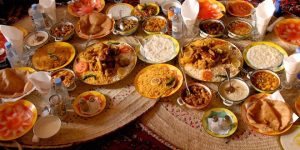
Some traditional Saudi dishes to look out for include:
- Kabsa – Roast chicken and rice found everywhere
- Dates – Saudi Arabia has some of the best dates in the world, and they come in all different types and flavors. The Qassim region is considered to have the best dates in the country.
- Jareesh – Crushed wheat porridge topped with savory onions and dried limes
- Murtabak – Stuffed pancake
- Tharid – Spicy lamb stew served with bread
- Laban – Creamy yogurt drink
- Mamuul – Stuffed date cookies
- Arabic coffee – Not at all like “normal” coffee, it’s yellow, bitter, and flavored with cardamom
Meals in Saudi Arabia are rich and spiced. They are usually accompanied by a mound of rice or bread and thick, creamy laban (a strained kind of yogurt that can stand alone as a drink—delicious!). Meat is essential to main meals, and sweet tea often follows.
Eating customs in Saudi Arabia
There are right and wrong ways to eat when dining in Saudi Arabia. While you may be forgiven for making a few culinary missteps as a foreign visitor, respecting local dining customs is still important. Understanding the traditional eating norms will enhance your experience and show your appreciation for Saudi culture.
Traditional Dining Setup
Meals in Saudi Arabia are often shared communally, with food on a large, central plate that everyone gathers around. Traditionally, meals are eaten on a mat on the floor, and you’ll likely find yourself leaning against boxy pillows for support. This communal approach fosters a sense of togetherness and connection, making the meal more than just about food—it’s about community and bonding.
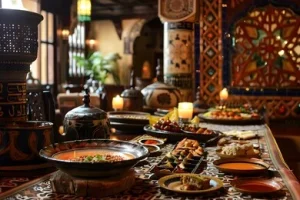
Eating with Your Hands
In Saudi Arabia, eating with your hands is customary, and while this might seem unusual to some, it’s a practice rooted in tradition. Before and after every meal, make sure to wash your hands, as cleanliness is a key part of the process. It’s important to eat with your right hand only—your left hand is considered reserved for “unclean” tasks, so keep that in mind when passing food or taking your portion. Even if your right hand is dirty, always offer food with it.

Posture Matters
Keep your legs crossed or knees bent when eating on the ground. In Saudi culture, extending your feet in front of people is considered rude, especially if they are seated opposite you. Keeping your feet tucked away shows respect and consideration for those around you, making the meal experience more pleasant.
Generosity in Eating
Saudi hosts are known for their generosity when it comes to food. It’s common for hosts to continually press you to eat more, offering additional servings even after you’ve had your fill. If you want to avoid being overly stuffed, it’s best to let them know you’re full before reaching your limit. In Saudi culture, allowing your host to refill your coffee or tea whenever your cup is empty is polite—refusing this gesture may be seen as impolite.

Understanding Dining Norms
While communal eating and eating with your hands might feel strange, it’s an important part of Saudi culture. Watching a video or reading more about Middle Eastern dining etiquette can help if you’re still unsure about customs. Even though the vlogger in the video might not be Saudi, the core principles of the region’s dining practices are universal and will give you a clearer idea of what to expect.
Traveling as a vegetarian/vegan in Saudi Arabia
While meat is a staple in Saudi Arabian cuisine, plenty of vegetarian and vegan-friendly options are available, especially if you know where to look. In larger cities like Riyadh and Jeddah, you’ll find vegetarian restaurants, and some upmarket establishments now cater to vegan diets. Though vegetarians and vegans are still relatively rare in the country, these dietary preferences are becoming more accepted, with even a Saudi prince following a vegan lifestyle.

For travelers who follow a plant-based diet, there are many dishes to enjoy in Saudi Arabia. Here are some common foods that you can rely on:
- Falafel (without yogurt): A crispy, deep-fried chickpea or fava bean ball, typically served in pita bread with vegetables.
- Fuul (beans): A flavorful dish made from fava beans, usually seasoned with olive oil, garlic, and lemon.
- Vegetable Murtabak: A stuffed pancake with vegetables offers a savory snack or meal.
- Dal Tamiz: A hearty combination of lentils and bread, perfect for a satisfying vegetarian meal.
- Hummus: A creamy, delicious dip made from blended chickpeas, tahini, olive oil, and lemon juice, commonly enjoyed with bread.
- Moutabel (Baba Ghanoush): A smoky, creamy eggplant dip that pairs wonderfully with pita.
- Masoub: A sweet Yemeni dish made with mashed bananas and bread pudding, providing a unique and tasty dessert option.
While the prevalence of vegetarian and vegan-friendly options may not be as widespread as in other parts of the world, there are still plenty of delicious and satisfying dishes to enjoy in Saudi Arabia. Whether in a big city or a smaller town, exploring the local cuisine as a vegetarian or vegan can be a rewarding experience.
Transportation in Saudi Arabia
Saudi Arabia is a vast country, and traveling within it can take time. The cities are spread out, and public transport is limited, especially between cities more than 500 km apart. However, depending on your preferences and travel plans, there are several ways to get around.

By Rental Car
The best way to explore Saudi Arabia is by car, especially if you plan on visiting destinations outside the cities. Saudi Arabia is built for driving, and renting a car—particularly a 4×4—is highly recommended to experience the country fully. Many of Saudi Arabia’s most memorable spots are outside urban centers, making a rental car essential. For more details on road trips in Saudi Arabia, check out my complete guide to road tripping.
While there are unofficial shared taxis that may offer rides between cities, I didn’t use them. A local told me they can sometimes be found near major bus terminals, but renting a car is the most convenient option.
By Plane
If you’re short on time or only planning to visit a few key cities, flying is the most efficient way to get around Saudi Arabia. Flights between cities typically take less than two hours, and in some cases, they can even be cheaper than bus tickets, making it a cost-effective option for travelers.
By Bus
SAPTCO operates an extensive bus network throughout Saudi Arabia for long-distance travel. The buses are clean, comfortable, and relatively modern, but they tend to be pricier. Expect to pay at least US$50 per person for a long-distance bus ticket. For more information on bus routes and schedules, visit the SAPTCO website.
Within Cities
For getting around within the cities, ride-sharing apps like Uber and Careem are commonly used in major cities such as Riyadh and Jeddah. These services are convenient and widely available, offering an easy way to navigate urban areas without the hassle of public transport.
Conclusion
Saudi Arabia offers an intriguing blend of ancient traditions and modern aspirations, welcoming travelers to explore its vast deserts, bustling cities, and rich heritage. From the seamless e-visa system to unique dining customs and breathtaking landscapes, this evolving kingdom is more accessible than ever. By embracing its cultural norms, packing thoughtfully, and visiting during the ideal season, travelers can immerse themselves in a truly memorable experience that bridges the past and the future.