Hajj is not merely a journey; it is the pinnacle of spiritual fulfillment for Muslims worldwide. As one of the Five Pillars of Islam, Hajj represents a profound expression of faith, devotion, and submission to Allah. Performing Hajj is a transformative experience that requires meticulous preparation and deep understanding to ensure that the pilgrimage is both spiritually enriching and logistically smooth. This comprehensive guide provides essential tips to navigate Hajj with reverence and effectiveness, offering insights into spiritual preparation, practical considerations, and how to make the most of this sacred pilgrimage.
1. Understanding the Spiritual Significance of Hajj
Before embarking on Hajj, it is crucial to grasp its profound spiritual significance. Hajj is not only a physical journey but a deeply spiritual one, symbolizing submission to Allah and renewal of faith.
Historical Context and Spiritual Meaning:
- Origins of Hajj: The origins of Hajj trace back to the time of Prophet Ibrahim (Abraham), who, according to Islamic tradition, was commanded by Allah to leave his wife Hagar and infant son Ismail (Ishmael) in the barren desert of Mecca. The well of Zamzam sprang up where Hagar searched for water, and the Kaaba was established as a central place of worship. Hajj commemorates these events and the trials faced by Ibrahim, Hagar, and Ismail.
- Rituals of Hajj: Each ritual of Hajj embodies deep spiritual meanings. For example, Ihram represents a state of spiritual purity and submission; Tawaf symbolizes the centrality of Allah in a believer’s life; and Sa’i reflects the struggle and perseverance of Hagar in her search for water.
- Personal Reflection: Reflect on the essence of Hajj as a journey of faith and submission. Consider how the pilgrimage aligns with your personal spiritual goals and intentions.
2. Preparing Spiritually and Emotionally
Spiritual and emotional preparation is essential for making the most of the Hajj experience. This preparation involves developing a mindset of devotion, humility, and readiness to embrace both the spiritual and physical aspects of the pilgrimage.
Steps for Spiritual and Emotional Preparation:
- Intention (Niyyah): Make a sincere intention to perform Hajj with purity of heart and devotion to Allah. Your intention should focus on seeking Allah’s pleasure and forgiveness, and not on worldly gains or recognition.
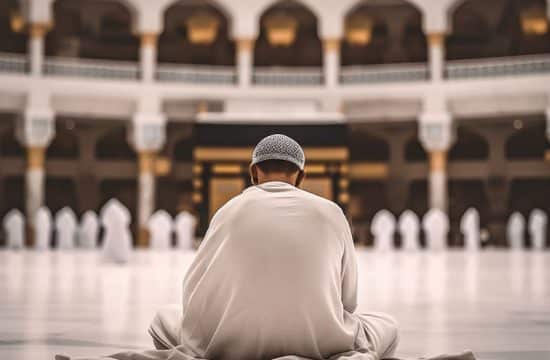
- Increased Worship: Engage in additional acts of worship in the months leading up to Hajj. This includes regular prayers, recitation of the Quran, and increased supplication. These practices will help you spiritually prepare for the pilgrimage and strengthen your connection with Allah.
- Study and Knowledge: Acquire knowledge about the rites of Hajj through study and consultation. This includes understanding the rituals, their significance, and how to perform them correctly. Attending Hajj preparation classes and reading authoritative texts can provide valuable insights and clarity.
- Self-Purification: Work on self-improvement and purification of the heart. This involves seeking forgiveness for past sins, making amends with others, and striving to embody Islamic virtues such as patience, humility, and sincerity.
3. Practical Preparations for the Journey
Proper practical preparation ensures a smooth and stress-free pilgrimage. Addressing logistical and health-related aspects in advance can help you focus on the spiritual significance of Hajj.
Key Practical Preparations:
- Travel Arrangements: Plan your travel itinerary well in advance, including flight bookings, accommodation, and transportation within Saudi Arabia. Ensure that you have all necessary travel documents, including your Hajj visa, passport, and identification.
- Health Precautions: Consult with your healthcare provider to ensure you are in good health for Hajj. Obtain necessary vaccinations, such as those for meningitis and seasonal flu, and carry a medical kit with essential medications for common ailments.
- Packing Essentials: Pack light and comfortably, considering the climate in Mecca. Essentials include Ihram garments, comfortable walking shoes, a prayer mat, personal toiletries, and a reusable water bottle. Avoid carrying valuables and focus on items that will facilitate your worship and comfort.
- Financial Planning: Carry sufficient cash and a credit card for expenses during the pilgrimage. Familiarize yourself with the local currency and exchange rates, and ensure you have a secure method for managing your finances.
4. Understanding and Observing the Rituals of Hajj
A thorough understanding of the rituals of Hajj and their spiritual significance enhances the pilgrimage experience. Each rite of Hajj carries specific meanings and practices that contribute to the overall journey.
Detailed Overview of Hajj Rituals:
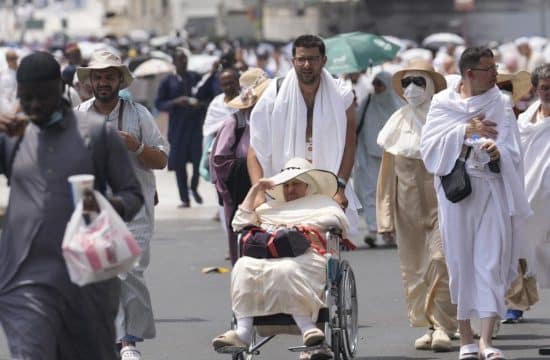
- Ihram: Enter the state of Ihram by donning simple white garments and making the intention to perform Hajj. This state signifies spiritual purity and detachment from worldly distractions. While in Ihram, avoid prohibited activities such as cutting hair, using perfume, and engaging in marital relations.
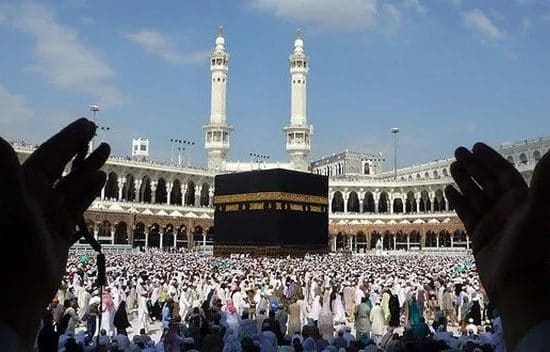
- Tawaf: Perform Tawaf by circumambulating the Kaaba seven times in a counterclockwise direction. This ritual symbolizes the centrality of Allah and the unity of the Muslim Ummah. Focus on the significance of Tawaf and the spiritual connection it fosters with Allah.
- Sa’i: Walk seven times between the hills of Safa and Marwah, commemorating Hagar’s search for water. This act reflects perseverance and gratitude for Allah’s provisions. Approach Sa’i with a sense of reverence and reflection on the blessings of Allah.
- Standing at Arafat (Wuquf): Spend the day at the plain of Arafat in supplication and reflection. This is considered the pinnacle of Hajj, where pilgrims seek forgiveness and make heartfelt prayers. Embrace this moment with humility and sincerity, acknowledging your dependence on Allah.
- Muzdalifah: Gather pebbles for Rami al-Jamarat and spend the night in Muzdalifah. This experience fosters a sense of communal solidarity and humility. Engage in worship and reflection during your time in Muzdalifah, preparing spiritually for the upcoming rites.
- Rami al-Jamarat: Throw pebbles at the three pillars in Mina, symbolizing the rejection of evil and temptation. This act represents your resolve to resist sin and uphold faith. Perform Rami with sincerity and focus on the symbolic meaning of this ritual.
- Eid al-Adha: Perform the sacrifice of an animal, commemorating Ibrahim’s willingness to sacrifice his son. Share the meat with family, friends, and those in need, reflecting on the values of generosity, sacrifice, and community support.
- Tawaf al-Ifadah: Complete another circumambulation of the Kaaba, signifying the completion of essential rites and a renewed commitment to faith. Perform this Tawaf with mindfulness and gratitude for the opportunity to complete the pilgrimage.
- Shaving/Cutting Hair: Men should shave their heads or cut their hair, while women should cut a small portion of their hair. This act symbolizes spiritual renewal and the shedding of past sins. Embrace this ritual as a sign of humility and transformation.
5. Navigating the Pilgrimage Experience
Navigating the logistics and challenges of Hajj requires patience, flexibility, and understanding. Being prepared for various aspects of the pilgrimage helps enhance your overall experience.
Tips for Navigating the Hajj Experience:
- Stay Calm and Patient: Hajj involves large crowds and complex logistics. Practice patience and maintain a positive attitude, especially when facing challenges or delays. Remember that every obstacle is an opportunity to demonstrate patience and perseverance.
- Follow Guidance: Adhere to the instructions provided by your Hajj group leaders and local authorities. Following established protocols ensures your safety and compliance with pilgrimage requirements.
- Maintain Hygiene: Prioritize personal hygiene and cleanliness throughout the pilgrimage. Regular washing, using hand sanitizer, and avoiding contact with unclean surfaces are essential for maintaining health and comfort.
6. Building Connections and Engaging with the Community
Hajj is a communal experience that fosters global solidarity and brotherhood among Muslims. Engaging with fellow pilgrims and participating in communal activities enriches the pilgrimage experience.
Tips for Community Engagement:
- Interact with Fellow Pilgrims: Build connections with fellow pilgrims from diverse cultures and backgrounds. Share experiences, offer support, and foster a sense of unity and camaraderie. The shared experience of Hajj strengthens the bonds of the Muslim Ummah.
- Participate in Group Activities: Join group prayers, lectures, and discussions organized by your Hajj group. These activities provide opportunities for spiritual growth, collective reflection, and mutual support.
- Offer Help and Support: Assist fellow pilgrims in need, whether by sharing resources, providing directions, or offering words of encouragement. Acts of kindness and generosity contribute to a positive and supportive pilgrimage environment.
7. Reflecting on the Experience and Applying Lessons Learned
The conclusion of Hajj presents an opportunity to reflect on the pilgrimage experience and apply the lessons learned to daily life. Embrace the spiritual insights gained and strive to incorporate them into your ongoing journey of faith.
Reflection and Application:
- Evaluate Personal Growth: Reflect on your spiritual and personal growth throughout the pilgrimage. Consider how the experience has impacted your understanding of faith, devotion, and submission to Allah.
- Implement Positive Changes: Apply the lessons learned from Hajj to your daily life. Strive to embody the values of humility, patience, and gratitude in your interactions with others. Let the transformative experience of Hajj inspire positive changes in your character and behavior.
- Share Your Experience: Share your Hajj experience with family, friends, and fellow Muslims. Your insights and stories can inspire others and contribute to a greater understanding of the pilgrimage’s significance. Use your experience to encourage others to embark on their own spiritual journeys.
8. Post-Pilgrimage Considerations
After completing Hajj, it is essential to consider the lasting impact of the pilgrimage and how to maintain the spiritual momentum gained during the journey.
Post-Pilgrimage Considerations:
- Express Gratitude: Offer heartfelt gratitude to Allah for the opportunity to perform Hajj and seek His continued guidance and blessings. Reflect on the experience with thankfulness and humility.
- Maintain Spiritual Practices: Continue to engage in regular prayers, Quran recitation, and acts of worship. Maintain the spiritual momentum gained during Hajj by incorporating these practices into your daily life.
- Contribute to the Community: Utilize the lessons learned from Hajj to contribute positively to your community. Engage in charitable activities, support those in need, and work towards fostering a spirit of compassion and service.
Conclusion
Hajj is a sacred pilgrimage that encompasses both spiritual and practical dimensions. By understanding its significance, preparing spiritually and practically, and embracing the rituals with devotion and mindfulness, pilgrims can ensure a meaningful and fulfilling Hajj experience. This pilgrimage is a profound opportunity for spiritual renewal, personal growth, and connection with the global Muslim community. Approach Hajj with faith, patience, and preparation, and let the transformative experience inspire and guide you on your ongoing journey of faith.