Hajj, the sacred pilgrimage to Mecca, is a journey of profound spiritual significance and transformation for Muslims worldwide. It’s a pilgrimage filled with historical and spiritual rituals that embody the essence of devotion, unity, and self-reflection. This blog delves into the unforgettable moments and deep spiritual insights that characterize the Hajj experience, capturing the transformative nature of this sacred journey.
The Spiritual Awakening of Ihram
Entering the Sacred State: A Moment of Profound Transformation
Ihram is not merely a physical state but a profound spiritual transformation that marks the beginning of the Hajj pilgrimage. This state of purity and simplicity symbolizes the pilgrim’s dedication to Allah and their readiness for the sacred journey ahead.
The Ritual of Ihram:
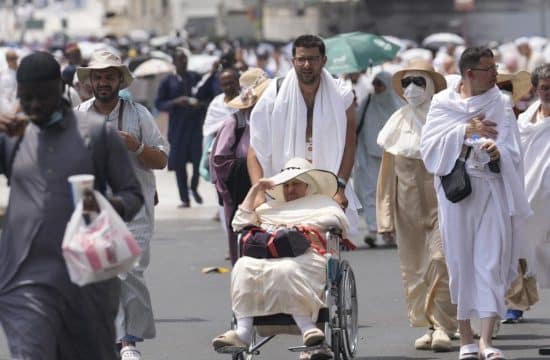
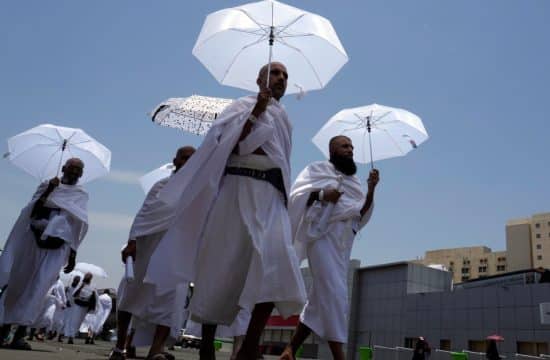
- Preparations and Intentions: Pilgrims enter Ihram before reaching Mecca, typically at designated Miqat points. The Ihram garments are simple and unadorned—two white cloths for men and modest clothing for women. This simplicity signifies the abandonment of worldly distractions and the embrace of a state of spiritual purity. The act of donning these garments is accompanied by a deep, personal intention to undertake Hajj sincerely.
- Recitation of Talbiyah: As pilgrims don their Ihram garments, they begin to recite the Talbiyah, a sacred chant that marks their entry into a state of consecration. The Talbiyah—“Labbaik Allahumma Labbaik”—translates to “Here I am, O Allah, here I am,” and reflects the pilgrim’s submission to Allah’s will. This chant serves as both a declaration of faith and a call to fulfill the spiritual journey.
A Moment of Introspection:
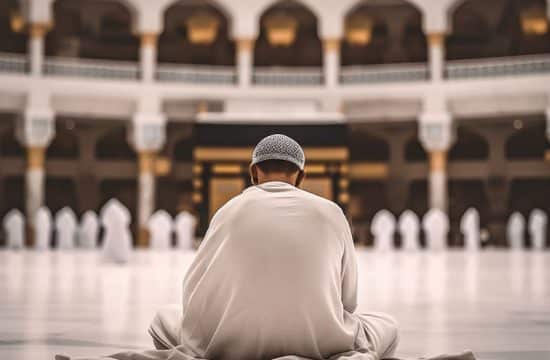
- Embracing Humility: The transition into Ihram encourages pilgrims to shed their worldly concerns and focus on their spiritual goals. This state of humility fosters a deep sense of connection with Allah and highlights the pilgrim’s readiness to embrace the sacred rituals of Hajj.
- Unity in Diversity: As pilgrims from diverse backgrounds and cultures don the same simple garments, it reinforces the concept of unity and equality in the eyes of Allah. The shared experience of Ihram emphasizes the commonality of purpose among Muslims and the universal nature of their faith.
The Majestic Tawaf: Circling the Kaaba
An Unforgettable Experience: The Heart of Hajj
The Tawaf, the ritual of circling the Kaaba, is one of the most central and spiritually significant moments of Hajj. This act of worship embodies the pilgrim’s devotion and connection with the divine.
The Ritual of Tawaf:
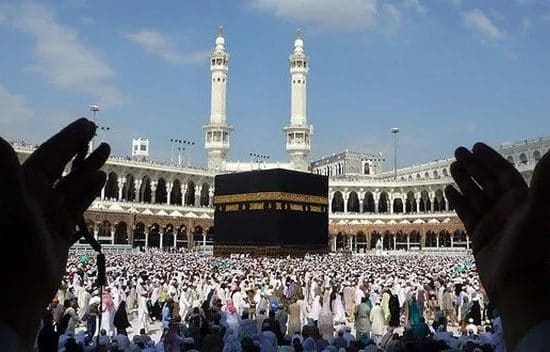
- The Circling of the Kaaba: Pilgrims perform Tawaf by walking seven times around the Kaaba in a counter-clockwise direction. The Kaaba, located at the center of the Masjid al-Haram, is the spiritual heart of Islam. Tawaf is performed as a mark of reverence and devotion, symbolizing the pilgrim’s allegiance to Allah and their acknowledgment of His central role in their lives.
- Personal Supplications: During Tawaf, pilgrims have the opportunity to engage in personal supplications and prayers. This intimate moment allows them to seek forgiveness, express gratitude, and make heartfelt requests to Allah. The spiritual significance of Tawaf lies in the pilgrim’s ability to connect directly with Allah and seek His guidance and blessings.
Spiritual Insights:
- The Centrality of the Kaaba: The Kaaba’s significance extends beyond its physical presence. It represents the focal point of Islamic worship and the unity of the Muslim Ummah. Tawaf emphasizes the centrality of Allah in a believer’s life and their commitment to worship and submission.
- The Experience of Unity: Observing millions of pilgrims performing Tawaf simultaneously underscores the unity and equality of the Muslim Ummah. This collective act of devotion highlights the shared faith and purpose that binds Muslims worldwide.
The Journey of Sa’i: Walking Between Safa and Marwah
Commemorating a Mother’s Sacrifice: A Test of Perseverance
Sa’i, the ritual of walking between the hills of Safa and Marwah, is a powerful act of remembrance and devotion. It commemorates Hagar’s search for water for her son Isma’il and symbolizes perseverance in the face of adversity.
The Ritual of Sa’i:
- Walking with Intent: Pilgrims walk seven times between Safa and Marwah, retracing the steps of Hagar. This ritual embodies the pilgrim’s perseverance and reliance on Allah’s provision. The act of walking is both a physical journey and a spiritual exercise, symbolizing the pilgrim’s commitment to faith and their recognition of divine support.
- Moments of Reflection: During Sa’i, pilgrims often reflect on their personal struggles and challenges. The ritual serves as a reminder of Hagar’s unwavering faith and her reliance on Allah during her trials. Pilgrims use this time to make personal supplications and seek Allah’s help in overcoming their own difficulties.
Spiritual Insights:
- Embracing Perseverance: Sa’i embodies the principle of perseverance and trust in Allah’s provision. Hagar’s story serves as a powerful example of faith and resilience, reminding pilgrims of the importance of patience and reliance on divine support.
- Personal Connection: The ritual of Sa’i fosters a deep connection with the historical narrative of Hagar and her son Isma’il. This connection enhances the pilgrim’s sense of empathy and gratitude for Allah’s blessings and sustenance.
The Spiritual Epiphany of Arafat
The Pinnacle of Hajj: A Day of Reflection and Forgiveness
The Day of Arafat is considered the climax of Hajj, offering pilgrims a unique opportunity for reflection, forgiveness, and spiritual renewal.
The Ritual of Arafat:
- Standing on the Plain: Pilgrims gather at the plain of Arafat, spending the day in prayer, reflection, and supplication. This day is dedicated to seeking forgiveness, making heartfelt requests to Allah, and engaging in deep introspection. The act of standing at Arafat symbolizes the pilgrim’s submission to Allah and their commitment to spiritual growth.
- The Sermon of Arafat: During the day, a sermon is delivered, offering spiritual guidance and reflections on the principles of Islam. The sermon provides pilgrims with valuable insights and reinforces the significance of the pilgrimage, emphasizing themes of unity, compassion, and righteousness.
Spiritual Insights:
- The Importance of Forgiveness: The Day of Arafat is a powerful opportunity for seeking forgiveness and making a fresh start. It underscores Allah’s mercy and the importance of repentance, offering pilgrims a chance to cleanse their hearts and renew their faith.
- A Moment of Unity: The gathering of millions of pilgrims at Arafat highlights the unity of the Muslim Ummah. This collective experience reinforces the shared faith and common purpose that binds Muslims together, fostering a sense of global solidarity.
The Symbolic Ramy al-Jamarat: Stoning the Pillars
A Ritual of Resistance: Rejecting Evil and Embracing Faith
Ramy al-Jamarat, the ritual of stoning the pillars in Mina, is a symbolic act of rejecting evil and embracing faith. This ritual embodies the pilgrim’s struggle against temptation and their commitment to righteousness.
The Ritual of Ramy al-Jamarat:
- Throwing Pebbles: Pilgrims throw pebbles at three pillars, representing the rejection of Satan’s temptations. This act is a manifestation of spiritual struggle and resilience. The ritual symbolizes the pilgrim’s determination to overcome challenges and adhere to divine guidance.
- A Symbolic Gesture: The act of throwing pebbles serves as a tangible representation of the pilgrim’s inner struggle against negative influences. It’s a moment of spiritual reaffirmation and dedication to following the path of righteousness.
Spiritual Insights:
- The Struggle Against Evil: Ramy al-Jamarat emphasizes the importance of resisting temptation and staying true to one’s faith. The ritual serves as a reminder of the continuous struggle against negative influences and the necessity of spiritual vigilance.
- The Power of Resilience: The physical act of throwing pebbles reflects the pilgrim’s resilience and determination. It symbolizes the strength required to overcome obstacles and remain steadfast in faith.
The Joy of Eid al-Adha: Celebrating Sacrifice and Generosity
A Time of Celebration: Embracing the Spirit of Sacrifice
Eid al-Adha, the festival of sacrifice, marks the culmination of Hajj. It’s a time for celebration, generosity, and reflection on the significance of sacrifice in the life of a believer.
The Ritual of Eid al-Adha:
- Performing the Sacrifice: On Eid al-Adha, pilgrims participate in the sacrifice of an animal, such as a sheep, goat, cow, or camel. The meat from the sacrifice is distributed among family, friends, and those in need. This act commemorates Ibrahim’s willingness to sacrifice his son in obedience to Allah and symbolizes the importance of sacrifice and devotion.
- Celebrating with Joy: Eid al-Adha is a time for communal celebration, reflection, and gratitude. Pilgrims share their blessings with others, embracing the spirit of generosity and community. It’s a moment to express appreciation for Allah’s provisions and the opportunity to participate in this sacred act.
Spiritual Insights:
- The Significance of Sacrifice: Eid al-Adha highlights the importance of sacrifice in the path of faith. It underscores the value of giving and the willingness to put one’s devotion to Allah above personal interests. The ritual serves as a reminder of the need for selflessness and generosity in all aspects of life.
- A Renewed Sense of Community: The communal celebrations of Eid al-Adha reinforce the bonds of unity and shared purpose among Muslims. The act of sharing blessings and joy with others fosters a sense of belonging and solidarity within the Ummah.
Conclusion: Embracing the Spiritual Essence of Hajj
Hajj is a journey that transcends the physical realm, offering pilgrims a profound spiritual experience that touches the core of their faith. From the initial state of Ihram to the final moments of Eid al-Adha, each ritual is imbued with deep significance and spiritual insight. The pilgrimage is a tapestry of moments that reflect devotion, unity, and personal growth, culminating in a transformative experience that leaves a lasting impact on the soul.
The rituals of Tawaf, Sa’i, Arafat, Ramy al-Jamarat, and Eid al-Adha are not merely acts of worship but profound expressions of faith and commitment. Each moment offers pilgrims a unique opportunity for reflection, growth, and connection with Allah. As they complete their journey, they carry with them the lessons and insights gained from their pilgrimage, reflecting the timeless essence of Hajj and the enduring power of spiritual renewal.
The unforgettable moments of Hajj serve as a testament to the transformative nature of this sacred journey. Through its rituals and experiences, Hajj fosters a deep sense of spiritual fulfillment, unity, and devotion, offering pilgrims a renewed connection with Allah and a profound understanding of their place within the broader Muslim Ummah.