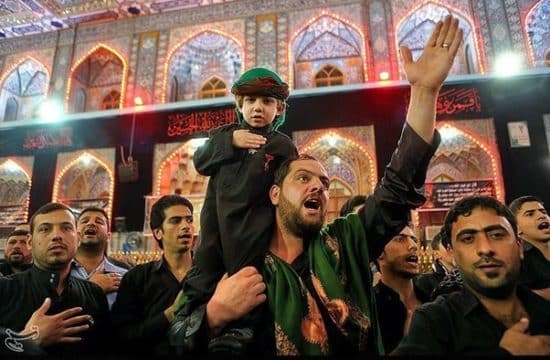
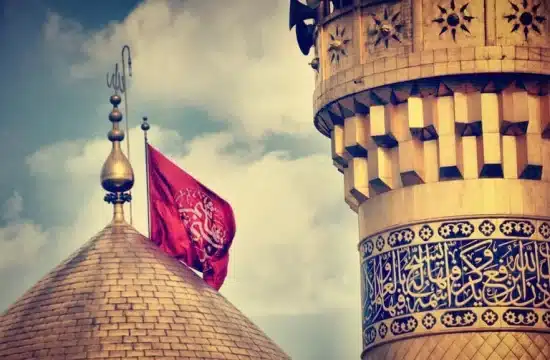
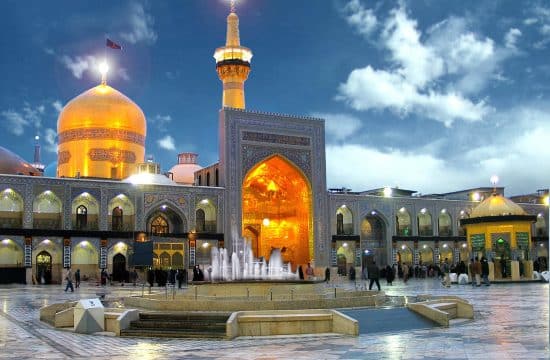
Embarking on a Ziarat pilgrimage is a deeply spiritual journey for Shia Muslims, providing an opportunity to visit sacred sites, seek blessings, and connect profoundly with their faith. This comprehensive guide aims to assist devotees in navigating their Ziarat journey, offering detailed insights into the significance of each shrine, practical travel tips, and spiritual preparation for a meaningful pilgrimage.
Understanding the Spiritual Significance of Ziarat
Historical and Religious Context:
Origins and Development:
- Ziarat, meaning “visit,” is a pilgrimage to sacred sites associated with the Ahl al-Bayt (the family of the Prophet Muhammad) and other revered figures in Shia Islam. The practice has historical roots that date back to the early days of Islam, evolving into a structured and significant ritual for Shia Muslims.
- The tradition of Ziarat began as an act of respect and reverence for the Prophet’s family and their role in Islamic history. Over time, it developed into a pilgrimage that includes specific rituals and prayers, reflecting the deep reverence Shia Muslims hold for these figures.
Spiritual Purpose:
- The spiritual essence of Ziarat lies in its ability to connect pilgrims with the divine and the sacred history of Islam. Visiting the holy shrines allows for seeking blessings, guidance, and intercession from the revered figures, thus enhancing spiritual connection and personal growth.
- The pilgrimage is an opportunity for reflection, renewal, and alignment with the values and teachings of the revered figures. It serves as a means to deepen one’s faith and commitment, embodying the principles of justice, piety, and wisdom exemplified by the Ahl al-Bayt.
Key Shrines to Visit and Their Significance
The Shrine of Imam Ali (a.s.) – Najaf, Iraq:
Historical Importance:
- The shrine of Imam Ali in Najaf is one of the most significant sites in Shia Islam. Imam Ali, the first cousin of the Prophet Muhammad and the fourth caliph, is revered for his wisdom, justice, and piety. His shrine is a center of spiritual and historical significance.
- Najaf is not only the burial place of Imam Ali but also a hub of religious scholarship and learning. The city has been a center for Shia scholarship for centuries, attracting scholars, students, and devotees from around the world.
Rituals and Practices:
- Pilgrims often engage in reciting specific Ziarat prayers and offering salutations at Imam Ali’s shrine. The visit includes acts of worship, reflection, and seeking guidance from the Imam’s teachings and legacy.
- The shrine’s atmosphere is imbued with a sense of reverence and devotion, providing an opportunity for deep spiritual connection and personal reflection.
The Shrine of Imam Hussein (a.s.) – Karbala, Iraq:
Historical Significance:
- The shrine of Imam Hussein in Karbala is a central site of Ziarat, commemorating the martyrdom of Imam Hussein at the Battle of Karbala. This event symbolizes the struggle against tyranny and injustice, making the shrine a focal point of spiritual and historical reflection.
- Karbala is a symbol of resistance and sacrifice, and visiting the shrine allows pilgrims to pay homage to Imam Hussein and reflect on the principles of justice and truth that he represents.
Rituals and Practices:
- Pilgrims participate in Ziarat prayers and rituals specific to the shrine, including acts of mourning and commemoration. The pilgrimage to Karbala is marked by a deep emotional and spiritual connection, reflecting on the sacrifice of Imam Hussein and his legacy.
- The shrine’s environment is characterized by a profound sense of devotion and solidarity, offering a space for spiritual reflection and renewal.
The Shrine of Imam Reza (a.s.) – Mashhad, Iran:
Spiritual and Educational Hub:
- The shrine of Imam Reza in Mashhad is a significant destination for Ziarat, known for its spiritual and educational importance. Imam Reza, the eighth Shia Imam, is revered for his knowledge, piety, and contributions to Islamic scholarship.
- Mashhad has become a center of religious learning and devotion, attracting millions of visitors each year. The city’s vibrant spiritual atmosphere provides a space for worship, study, and reflection.
Rituals and Practices:
- Pilgrims engage in Ziarat prayers and rituals at Imam Reza’s shrine, seeking blessings and guidance from the Imam’s teachings. The shrine offers various opportunities for spiritual engagement, including religious lectures, Quranic recitations, and communal prayers.
- The shrine’s ambiance reflects a deep sense of reverence and devotion, providing a meaningful space for spiritual connection and personal growth.
The Shrine of Fatimah al-Masumah (a.s.) – Qom, Iran:
Significance and Legacy:
- The shrine of Fatimah al-Masumah in Qom holds great importance for its association with the sister of Imam Reza. Fatimah al-Masumah is revered for her piety and support of the Imamate, making her shrine a significant site for Ziarat and devotion.
- Qom is a major center of Shia scholarship and religious activity, with the shrine of Fatimah al-Masumah serving as a focal point for worship and study. The city’s rich religious heritage enhances the pilgrimage experience.
Rituals and Practices:
- Pilgrims visit the shrine to pay their respects and engage in specific Ziarat prayers and rituals. The visit includes acts of worship, supplication, and reflection on the life and legacy of Fatimah al-Masumah.
- The shrine’s environment provides a serene and spiritual space for personal reflection and connection with the divine.
The Shrine of Imam Muhammad al-Jawad (a.s.) – Kadhimayn, Iraq:
Historical Context:
- The shrine of Imam Muhammad al-Jawad in Kadhimayn is dedicated to the ninth Shia Imam, known for his knowledge and piety. The shrine represents a site of pilgrimage and reflection, honoring the life and teachings of Imam al-Jawad.
- Kadhimayn is a significant destination for Ziarat, reflecting the Imam’s contributions to Islamic scholarship and spirituality.
Rituals and Practices:
- Pilgrims engage in Ziarat prayers and rituals specific to the shrine of Imam Muhammad al-Jawad. The visit includes acts of worship, supplication, and reflection on the Imam’s teachings and legacy.
- The shrine’s atmosphere fosters a sense of reverence and devotion, providing a meaningful space for spiritual engagement and personal growth.
Practical Travel Tips for Your Ziarat Pilgrimage
Travel Arrangements:
Visa and Travel Documentation:
- Ensure you have the necessary visas and travel permits for the countries you will be visiting. The visa requirements may vary based on your nationality and the specific sites you intend to visit. Apply for visas well in advance to avoid last-minute issues and ensure a smooth travel experience.
- Carry essential travel documents, including your passport, visa, and any necessary permits. Keep copies of these documents in a separate location for security purposes.
Accommodation and Transportation:
- Book accommodations close to the holy shrines to ensure convenience and ease of access. Consider staying in hotels or lodgings that cater specifically to pilgrims, offering amenities such as transportation to the shrines and facilities for prayer and reflection.
- Arrange transportation for your travel within the pilgrimage cities. Local transportation options may include taxis, buses, or arranged tours. Plan your transportation in advance to ensure smooth and timely travel between the holy sites.
Packing Essentials:
Religious Items:
- Bring essential religious items such as prayer beads (Misbaha), a Quran, and any specific books or materials for recitations and prayers. These items help maintain spiritual practices throughout the journey and enhance your devotional experience.
- Consider packing a prayer mat for use in the holy shrines and during your travels. A personal prayer mat provides comfort and convenience for performing your daily prayers.
Comfortable Clothing:
- Pack modest and comfortable clothing suitable for visiting holy sites. Ensure that your attire adheres to the cultural and religious norms of the regions you will be visiting, showing respect for local customs and practices.
- Include appropriate footwear for walking and standing during your visits to the shrines. Comfortable shoes are essential for navigating the pilgrimage cities and the often-crowded shrine areas.
Health and Safety:
- Carry essential medications, first aid supplies, and health-related items. It is advisable to have travel insurance that covers medical emergencies and other unforeseen situations. Check health advisories and vaccinations required for the regions you will visit.
- Stay hydrated and maintain a balanced diet to support your health and well-being throughout the pilgrimage. The physical demands of the pilgrimage require careful attention to health and comfort.
Engaging in Spiritual Practices During the Pilgrimage
Performing the Rituals:
Reciting Ziarat Prayers:
- Each shrine has specific Ziarat prayers associated with it. Familiarize yourself with these prayers and recite them with sincerity and devotion. The Ziarat prayers are an integral part of the pilgrimage, connecting you with the spiritual significance of the site and enhancing your devotional experience.
- Take time to reflect on the meanings and significance of the prayers. Understanding the spiritual context of the Ziarat prayers deepens your connection with the revered figures and enriches your pilgrimage experience.
Performing Acts of Worship:
- Engage in additional acts of worship, such as reciting Quranic verses, making supplications, and performing voluntary prayers. These acts of worship enhance your spiritual connection and provide opportunities for personal reflection and growth.
- Visit the shrines during designated times for communal prayers and spiritual activities. Participate in these gatherings to connect with fellow pilgrims and contribute to the collective devotional atmosphere.
Reflecting and Connecting:
Personal Reflection:
- Take moments of quiet reflection to contemplate the significance of your pilgrimage and its impact on your spiritual journey. Use this time to seek guidance, make personal supplications, and deepen your connection with the divine.
- Reflect on the life and teachings of the revered figures associated with each shrine. Consider how their examples can inspire and guide your own spiritual practice and personal development.
Connecting with Fellow Pilgrims:
- Engage with other pilgrims to share experiences, insights, and reflections. Building connections with fellow devotees fosters a sense of community and mutual support, enhancing the overall pilgrimage experience.
- Participate in group prayers, discussions, and spiritual activities to deepen your connection with the pilgrimage community and share in the collective devotion.
Reflecting on the Journey: Post-Pilgrimage Considerations
Spiritual Impact and Growth:
Assessing Personal Transformation:
- Reflect on the spiritual insights and personal growth achieved during your pilgrimage. Consider how the experience has deepened your faith, enhanced your understanding of religious teachings, and inspired positive changes in your life.
- Evaluate the impact of the pilgrimage on your daily practices and commitment to faith. Identify areas for continued spiritual development and set goals for integrating the lessons learned into your life.
Maintaining Connection:
- Continue to engage in acts of worship and reflection inspired by your pilgrimage. Maintain a connection with the sacred teachings and principles that guided your journey, and seek opportunities for ongoing spiritual growth.
- Share your experiences with family, friends, and the community. Inspire others with your reflections and encourage them to undertake their own pilgrimage, contributing to the collective spiritual enrichment of the community.
Planning Future Spiritual Endeavors:
Setting Spiritual Goals:
- Use the insights gained from your pilgrimage to set spiritual goals and aspirations. Consider how you can continue to grow in faith, contribute to community service, and uphold the values and teachings of Shia Islam.
- Plan for future spiritual activities and pilgrimages that align with your goals and aspirations. Use your pilgrimage experience as a foundation for continued spiritual exploration and development.
Conclusion
Visiting the holy shrines during a Ziarat pilgrimage offers a profound opportunity for spiritual connection, personal reflection, and growth. By understanding the significance of each shrine, preparing thoroughly for your journey, engaging in spiritual practices, and reflecting on the impact of your pilgrimage, you can ensure a meaningful and transformative experience. The pilgrimage to the holy shrines provides a space for deepening your faith, seeking blessings, and connecting with the revered figures of Shia Islam. May your Ziarat pilgrimage be filled with spiritual enrichment, personal transformation, and a renewed connection with the divine.