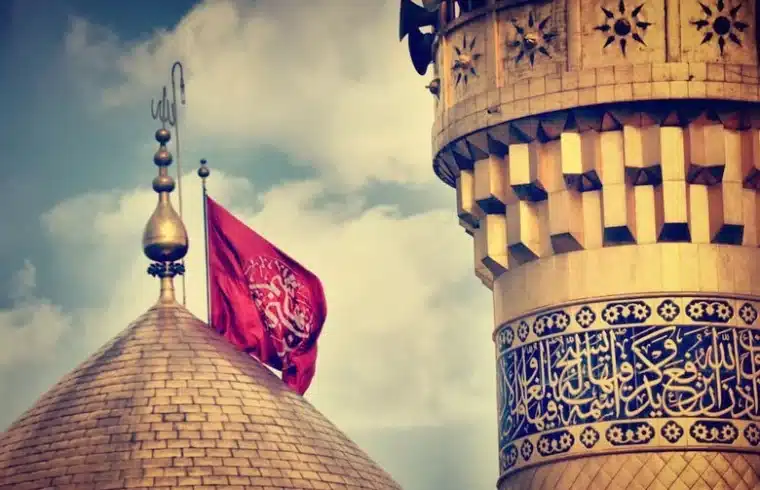
The Ziarat pilgrimage represents a profound journey of faith and reflection for Shia Muslims, weaving together historical reverence and spiritual enrichment. Unlike other forms of pilgrimage, Ziarat encompasses a unique blend of historical remembrance, devotional practices, and personal transformation. This extensive exploration delves into the deep spiritual connection inherent in the Ziarat pilgrimage, examining its historical roots, spiritual significance, and the transformative experiences it offers.
Unveiling the Historical and Spiritual Foundations of Ziarat
Historical Origins of Ziarat:
Early Islamic Traditions:
- The practice of Ziarat can be traced back to the earliest days of Islam, with its roots embedded in the Shia tradition. The term “Ziarat” refers to the act of visiting sacred places and is deeply intertwined with the lives of the Prophet Muhammad’s family, known as the Ahl al-Bayt, and early Islamic saints.
- Initially, Ziarat was an expression of respect and veneration for these figures, aiming to maintain a spiritual connection with their teachings and legacy. The practice emerged as a way to honor their sacrifices and contributions to Islam.
Evolution of Ziarat Practices:
- Over time, Ziarat evolved from simple visits to sacred sites into a well-defined tradition with specific rituals and practices. This evolution reflects the growing importance of preserving the memory of the Ahl al-Bayt and other significant figures in Shia Islam.
- The formalization of Ziarat practices involved the development of specific rituals, prayers, and customs associated with visiting sacred sites. These practices have been passed down through generations, preserving the spiritual essence of Ziarat.
Spiritual Significance of Ziarat:
Connecting with the Divine:
- The essence of Ziarat lies in its ability to create a direct connection between pilgrims and the revered figures of Shia Islam. Visiting sacred sites such as the shrines of the Imams and other holy figures allows pilgrims to seek spiritual closeness and divine blessings.
- The act of Ziarat is an opportunity for pilgrims to reflect on the lives and teachings of these figures, seeking their intercession and guidance. The sacred sites serve as a tangible link to the divine, offering a space for deep spiritual reflection.
Personal Reflection and Growth:
- The pilgrimage experience encourages deep personal reflection and spiritual growth. Pilgrims often engage in self-examination, seeking to align their lives with the values and teachings of the figures they are visiting.
- Personal reflection during Ziarat involves contemplating the lessons learned from the lives of the revered figures, examining one’s own spiritual journey, and making commitments to personal and spiritual growth.
Sacred Sites of Ziarat: Immersing in Spiritual Significance
The Shrine of Imam Ali (a.s.):
Spiritual Connection:
- The shrine of Imam Ali (a.s.) in Najaf, Iraq, holds immense significance for Shia Muslims. Imam Ali, the cousin of the Prophet Muhammad and the fourth caliph, is revered for his wisdom, justice, and piety. His shrine is a symbol of these virtues and a focal point of devotion.
- Visiting the shrine allows pilgrims to connect with Imam Ali’s legacy of justice and leadership. The site serves as a place for reflection on his teachings, seeking inspiration from his life, and honoring his contributions to Islam.
Historical Context:
- Imam Ali’s shrine has been a center of Shia devotion for centuries. His role as a leader, scholar, and martyr is commemorated through pilgrimages to his shrine, which stands as a testament to his enduring influence and the principles he embodied.
- The historical context of the shrine reflects Imam Ali’s impact on Islamic governance, theology, and justice. Pilgrims visiting the shrine engage with this broader narrative, reflecting on his contributions to Shia Islam.
The Shrine of Imam Hussein (a.s.):
Significance and Spiritual Connection:
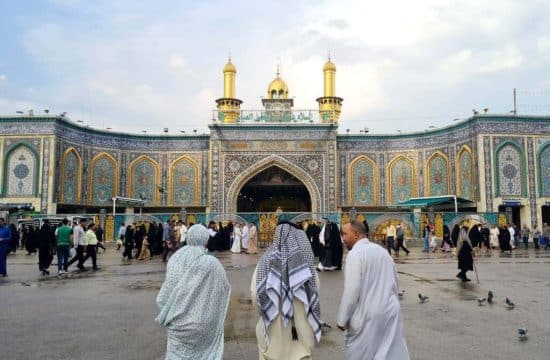
- The shrine of Imam Hussein (a.s.) in Karbala, Iraq, is a central site of Ziarat, particularly for its association with the martyrdom of Imam Hussein at the Battle of Karbala. Imam Hussein’s sacrifice is commemorated annually, and his shrine represents a powerful symbol of resistance against oppression.
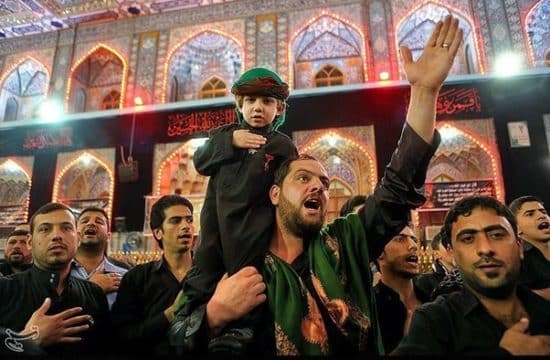
- Pilgrims visit the shrine to honor Imam Hussein’s legacy, reflecting on his stand against tyranny and his commitment to justice. The site serves as a place for mourning, reflection, and renewal of one’s commitment to the principles he upheld.
Historical Context:
- The Battle of Karbala, fought in 680 CE, represents a pivotal event in Islamic history. Imam Hussein’s martyrdom is central to Shia identity and theology, and his shrine in Karbala serves as a focal point for commemorating his sacrifice.
- The historical narrative of Karbala is integral to Shia practice, with the shrine serving as a site for pilgrimages, rituals, and remembrance. Pilgrims engage with this historical context through their visit to the shrine.
The Shrine of Imam Reza (a.s.):
Significance and Spiritual Connection:
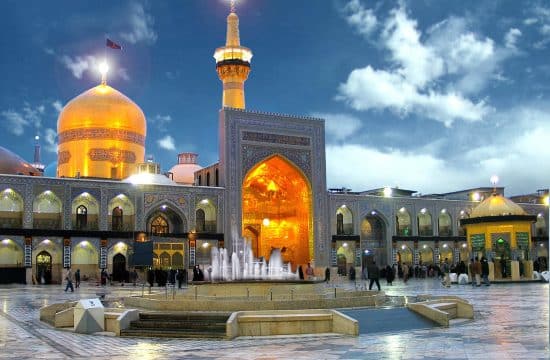
- The shrine of Imam Reza (a.s.) in Mashhad, Iran, is one of the largest and most visited pilgrimage sites in Shia Islam. Imam Reza, the eighth Shia Imam, is revered for his knowledge, piety, and spiritual leadership.
- Visiting the shrine provides an opportunity for pilgrims to connect with Imam Reza’s teachings and legacy. The site is a center for religious education and spiritual enrichment, offering a place for worship, reflection, and seeking divine blessings.
Historical Context:
- Imam Reza’s life and contributions to Islamic thought are celebrated through his shrine. His role as a scholar and spiritual leader is reflected in the prominence of his shrine, which serves as a center for religious education and spiritual growth.
- The historical significance of Imam Reza’s shrine is connected to the broader context of Shia history and the development of Shia institutions.
The Shrine of Fatimah al-Masumah (a.s.):
Significance and Spiritual Connection:
- The shrine of Fatimah al-Masumah (a.s.) in Qom, Iran, is significant for its association with the sister of Imam Reza. Fatimah al-Masumah is venerated for her piety, knowledge, and devotion.
- Visiting her shrine allows pilgrims to connect with her legacy of spiritual strength and support. The site serves as a place of worship, reflection, and honoring her contributions to Islamic teachings and her role in supporting the Imamate.
Historical Context:
- Fatimah al-Masumah’s shrine holds historical significance as a center of devotion and scholarship. Her contributions to Islamic thought and her role in supporting the Shia community are reflected in the prominence of her shrine.
- The historical narrative of Fatimah al-Masumah’s life and her relationship with Imam Reza is integral to understanding the significance of her shrine in Shia Islam.
The Shrine of Imam Muhammad al-Jawad (a.s.):
Significance and Spiritual Connection:
- The shrine of Imam Muhammad al-Jawad (a.s.) in Kadhimayn, Iraq, is a site of devotion and reflection. Imam Muhammad al-Jawad, the ninth Shia Imam, is known for his piety and wisdom.
- Visiting the shrine allows pilgrims to connect with Imam Muhammad al-Jawad’s teachings and legacy. The site serves as a place of worship, contemplation, and honoring his contributions to Shia scholarship and spirituality.
Historical Context:
- Imam Muhammad al-Jawad’s life and teachings are celebrated through his shrine. His contributions to Shia scholarship and his role in the early Shia community are honored by pilgrims visiting his shrine.
- The historical context of Imam Muhammad al-Jawad’s life and the significance of his shrine are integral to understanding the broader narrative of Shia Islam.
The Spiritual Experience of Ziarat: Immersing in Faith and Reflection
Preparation for the Pilgrimage:
Spiritual Readiness:
- Preparing for Ziarat involves cultivating a deep sense of spiritual readiness. This preparation includes engaging in acts of worship, seeking forgiveness, and making heartfelt intentions before embarking on the pilgrimage.
- Spiritual readiness enhances the pilgrimage experience by fostering a sense of reverence and connection. Pilgrims may engage in practices such as fasting, performing extra prayers, and reciting specific supplications to purify their hearts and minds.
Educational Preparation:
- Understanding the historical and spiritual significance of the sites to be visited enriches the pilgrimage experience. Pilgrims may study the lives of the revered figures, the history of the sites, and the rituals associated with Ziarat to deepen their understanding and connection.
- Educational preparation involves learning about the historical context of the sites, the teachings of the figures honored, and the specific rituals and prayers associated with each location.
Experiencing the Rituals and Reflections of Ziarat:
Performing the Ziarat Rituals:
- Upon arriving at the sacred sites, pilgrims engage in various rituals, including reciting specific prayers and supplications. These rituals are performed with a sense of reverence and connection to the historical figures honored at each site.
- Rituals may include acts of worship such as offering prayers at the shrine, reciting the Ziarat prayers, and making personal supplications. Each ritual is performed with the intention of connecting with the divine and seeking blessings.
Personal Reflection:
- The pilgrimage offers an opportunity for deep personal reflection and spiritual growth. Pilgrims often find moments of solitude and contemplation during their visit to the sacred sites, allowing them to reflect on their personal journey and spiritual goals.
- Personal reflection during Ziarat involves contemplating the teachings of the revered figures, evaluating one’s own spiritual path, and seeking inspiration for personal growth.
The Legacy and Impact of Ziarat Pilgrimage
Influence on Personal and Community Life:
Spiritual Transformation:
- The Ziarat pilgrimage has a profound impact on the personal and spiritual growth of pilgrims. Many report a heightened sense of connection with their faith, increased devotion, and a renewed commitment to living according to Islamic principles.
- Spiritual transformation during Ziarat extends beyond the pilgrimage itself, influencing pilgrims’ daily lives, relationships, and spiritual practices. The experiences and reflections gained during the pilgrimage often lead to lasting changes in one’s approach to faith and spirituality.
Community Solidarity:
- Ziarat fosters a sense of community among pilgrims, creating bonds of solidarity and mutual support. The shared experience of visiting sacred sites strengthens the sense of belonging to the broader Shia community and reinforces collective values and commitments.
- The sense of community experienced during Ziarat contributes to a greater sense of unity and mutual support within the Shia Muslim community. Pilgrims often return from the pilgrimage with a renewed sense of connection to their community and its values.
Preserving the Tradition:
Cultural and Religious Significance:
- The tradition of Ziarat continues to be a vital part of Shia religious practice and cultural heritage. Pilgrims’ dedication to preserving the memory and teachings of the revered figures ensures that this tradition remains a vibrant and meaningful aspect of Shia Islam.
- Efforts to preserve the tradition of Ziarat include educational initiatives, religious scholarship, and the maintenance of pilgrimage sites. These efforts contribute to the ongoing relevance and significance of Ziarat within the Shia community.
Generational Impact:
- The legacy of Ziarat is passed down through generations, with families and communities sharing their experiences and teachings with younger generations. This transmission of knowledge and experience ensures that the spiritual and cultural significance of Ziarat continues to be valued and upheld.
- The impact of Ziarat on individuals and communities is reflected in the stories and teachings shared with future generations, contributing to the ongoing relevance and importance of this pilgrimage.
Conclusion
The deep spiritual connection of Ziarat pilgrimage is a testament to its profound impact on the lives of Shia Muslims. By embracing the legacy of the revered figures, pilgrims embark on a journey that transcends the physical act of visiting sacred sites, engaging in a transformative experience that deepens their faith, enhances their spiritual understanding, and fosters a sense of connection with the divine. The pilgrimage to these sacred sites offers an opportunity for personal reflection, growth, and renewal, reinforcing the rich legacy of Shia Islam and contributing to the ongoing spiritual and cultural heritage of the Muslim community. Through the rituals, reflections, and connections made during Ziarat, pilgrims embrace a legacy that continues to inspire and shape their spiritual journeys for years to come.