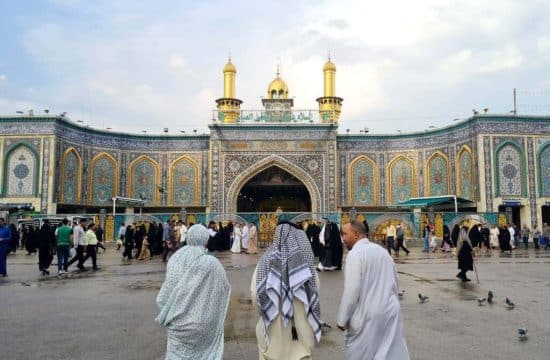
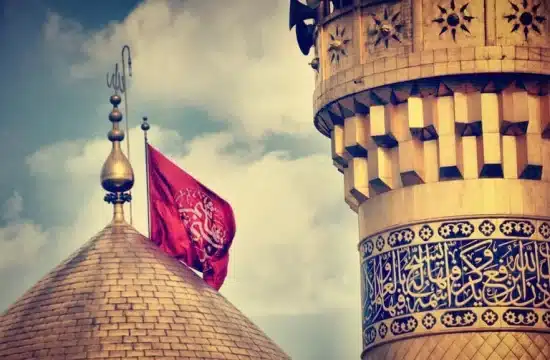
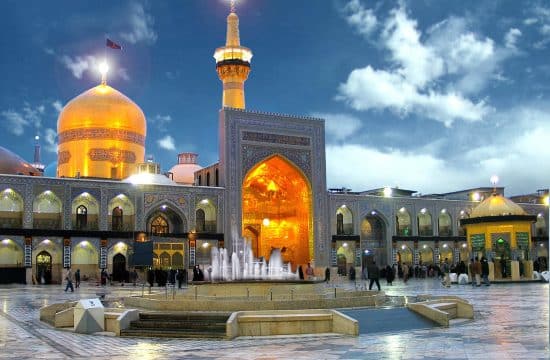
Ziarat, the pilgrimage to sacred shrines associated with the Ahl al-Bayt (the family of the Prophet Muhammad) and other revered figures in Shia Islam, embodies a profound journey of faith, reverence, and reflection. This comprehensive guide explores the rituals and significance of the Ziarat pilgrimage, offering an in-depth understanding of its spiritual dimensions and practical aspects.
Historical and Spiritual Context of Ziarat
Origins and Evolution:
Historical Roots:
- Ziarat traces its origins to the early days of Islam, when followers began visiting the graves and shrines of the Prophet’s family and their associates. The practice evolved from acts of respect and devotion into a structured pilgrimage with specific rituals and spiritual significance.
- Early Muslim communities began to establish the tradition of visiting these sacred sites to honor the legacy and teachings of the Prophet Muhammad’s family. Over time, these visits became an integral part of Shia religious practice, reflecting deep reverence for the Ahl al-Bayt.
Spiritual Significance:
- The spiritual essence of Ziarat lies in its ability to connect pilgrims with the divine and the sacred history of Islam. Visiting the holy shrines offers an opportunity to seek blessings, guidance, and intercession from the revered figures, enhancing spiritual connection and personal growth.
- The pilgrimage serves as a means of reflecting on the values and teachings of the revered figures, including justice, piety, and wisdom. It provides a space for pilgrims to renew their commitment to these principles and seek spiritual enlightenment.
Key Rituals and Practices in Ziarat
Ziarat Prayers and Supplications:
Ziarat Prayers:
- Ziarat prayers are specific supplications recited by pilgrims when visiting the holy shrines. Each shrine has its own set of prayers, which reflect the unique significance of the site and the revered figure associated with it.
- For example, the Ziarat of Imam Ali in Najaf includes prayers that acknowledge his role as a central figure in Shia Islam and seek his intercession. Similarly, the Ziarat of Imam Hussein in Karbala involves prayers of mourning and commemoration, reflecting on the sacrifice and principles of Imam Hussein.
Personal Supplications:
- In addition to the prescribed Ziarat prayers, pilgrims often engage in personal supplications and prayers. These personal prayers are an opportunity to seek specific blessings, make personal requests, and reflect on one’s spiritual journey.
- Pilgrims use this time to connect deeply with the divine, express gratitude, and seek guidance. Personal supplications add a personal dimension to the pilgrimage, allowing for a unique and intimate spiritual experience.
Ritual Acts of Worship:
Acts of Devotion:
- Pilgrims engage in various acts of devotion during their visit to the holy shrines. These may include reciting Quranic verses, performing voluntary prayers, and engaging in acts of charity and kindness.
- The rituals performed at each shrine are intended to honor the revered figures and reflect the spiritual values they represent. Acts of devotion enhance the pilgrimage experience and deepen the connection with the sacred.
Visitation Rituals:
- Specific visitation rituals are followed when approaching the shrine. These rituals include entering the shrine with reverence, offering salutations, and observing the appropriate etiquette. Pilgrims may also perform acts of worship, such as circumambulation (Tawaf) around the shrine, similar to practices observed in Hajj.
Commemorative Practices:
Mourning and Remembrance:
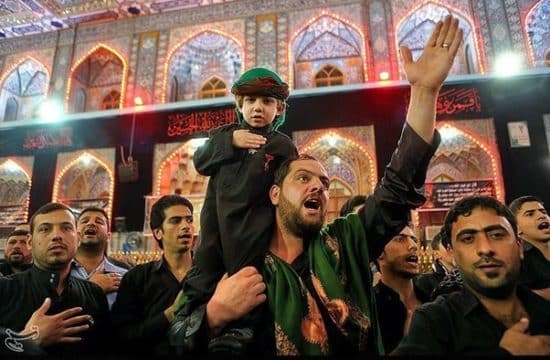
- Commemorative practices are an integral part of the Ziarat pilgrimage, especially at sites associated with significant historical events or figures, such as the martyrdom of Imam Hussein in Karbala. These practices include acts of mourning, recitation of elegies, and reflection on the sacrifices made by the revered figures.
- Pilgrims participate in communal gatherings to commemorate the events and express solidarity with the values and principles represented by the figures honored at the shrine. These practices foster a sense of shared devotion and collective memory.
Historical Reflection:
- Visiting the shrines offers an opportunity to reflect on the historical and spiritual significance of the sites. Pilgrims learn about the life and legacy of the revered figures, gaining insights into their contributions to Islamic teachings and values.
- Educational activities, such as lectures, discussions, and guided tours, may be offered at the shrines to enhance understanding and appreciation of the historical context and spiritual significance of the pilgrimage.
The Spiritual Significance of Ziarat
Connection with the Divine:
Seeking Intercession:
- One of the core spiritual aspects of Ziarat is seeking intercession from the revered figures. Pilgrims believe that the revered figures have a special status before the divine and can intercede on their behalf.
- The act of seeking intercession reflects a deep sense of humility and reliance on the divine. It provides an opportunity for pilgrims to express their hopes and desires, seeking divine guidance and support through the intercession of the revered figures.
Spiritual Renewal:
- The pilgrimage serves as a means of spiritual renewal, allowing pilgrims to reconnect with their faith and reflect on their personal journey. The sacred environment of the shrines fosters a sense of tranquility and spiritual clarity.
- Pilgrims use this time to evaluate their spiritual practices, seek forgiveness, and commit to positive changes in their lives. The pilgrimage experience encourages personal growth and deepening of faith.
Reflection on Historical and Ethical Values:
Moral and Ethical Lessons:
- The revered figures associated with the holy shrines embody moral and ethical values that serve as examples for pilgrims. Reflecting on their lives and teachings provides valuable lessons in justice, piety, and integrity.
- Pilgrims gain insights into the principles upheld by the revered figures and are inspired to incorporate these values into their own lives. The pilgrimage serves as a reminder of the ethical standards and ideals that guide Shia Islam.
Historical Context:
- Understanding the historical context of the pilgrimage sites enhances the spiritual experience. Pilgrims learn about the events and circumstances that shaped the significance of each shrine, gaining a deeper appreciation for their historical and spiritual importance.
- Educational resources, such as historical accounts, lectures, and discussions, may be available at the shrines to provide context and enrich the pilgrimage experience.
Practical Considerations for Pilgrims
Preparing for the Pilgrimage:
Spiritual Preparation:
- Before embarking on the pilgrimage, it is essential to engage in spiritual preparation. This may include studying the history and significance of the shrines, familiarizing oneself with the Ziarat prayers and rituals, and setting personal spiritual goals for the journey.
- Pilgrims should also engage in acts of worship and reflection to prepare spiritually for the pilgrimage. This preparation helps to align one’s intentions and enhances the overall pilgrimage experience.
Practical Arrangements:
- Arrange for travel, accommodation, and other logistical aspects of the pilgrimage. Ensure that all necessary visas, permits, and travel documents are in order. Plan your itinerary to include time for visiting each shrine and participating in related rituals and activities.
- Consider booking accommodations close to the holy shrines for convenience and ease of access. Arranging transportation in advance helps to ensure a smooth and timely journey between the pilgrimage sites.
During the Pilgrimage:
Maintaining Reverence:
- Approach the pilgrimage with a sense of reverence and respect. Adhere to the etiquettes and rituals associated with visiting the holy shrines, and engage in acts of devotion with sincerity and humility.
- Be mindful of the cultural and religious norms of the regions you are visiting. Show respect for local customs and practices, and interact with fellow pilgrims and locals with kindness and consideration.
Health and Safety:
- Take necessary precautions to ensure your health and safety during the pilgrimage. Stay hydrated, maintain a balanced diet, and follow any health advisories or guidelines provided by local authorities.
- Carry essential medications and first aid supplies, and consider obtaining travel insurance to cover any medical emergencies or unforeseen situations.
Post-Pilgrimage Reflection:
Assessing the Experience:
- After completing the pilgrimage, take time to reflect on the experience and its impact on your spiritual journey. Consider how the pilgrimage has deepened your faith, enhanced your understanding of religious teachings, and inspired personal growth.
- Evaluate the lessons learned and identify ways to incorporate the insights gained into your daily life. Set spiritual goals and continue to engage in practices that support your ongoing spiritual development.
Sharing Insights:
- Share your pilgrimage experiences with family, friends, and the community. Offer insights and reflections on the spiritual significance of the journey and inspire others to undertake their own pilgrimage.
- Contribute to the collective memory and understanding of the pilgrimage experience by sharing stories, lessons, and reflections with others.
Conclusion
The Ziarat pilgrimage offers a profound opportunity for spiritual connection, reflection, and growth. Understanding the rituals and significance of the pilgrimage enhances the experience and deepens one’s engagement with the sacred sites. By preparing spiritually and practically, engaging in the rituals with reverence, and reflecting on the journey, pilgrims can ensure a meaningful and transformative pilgrimage experience. The path of reverence in Ziarat allows for a deep connection with the divine, a reflection on historical and ethical values, and a renewal of faith and commitment. May your pilgrimage be filled with spiritual enrichment, personal transformation, and a renewed connection with the revered figures of Shia Islam.