The Ziarat pilgrimage holds a profound and unique place in Shia Islam, offering believers an opportunity to connect deeply with their faith by visiting sacred sites associated with the Ahl al-Bayt (the family of the Prophet Muhammad) and other revered figures. This pilgrimage, distinct from Hajj in its voluntary nature, represents an intimate journey of spiritual growth, reflection, and devotion. In this comprehensive exploration, we will delve into the spiritual essence of Ziarat, highlighting key sacred sites, their historical significance, and the transformative impact of this pilgrimage on the lives of devotees.
The Essence of Ziarat: Spiritual and Historical Context
Understanding Ziarat:
Definition and Purpose:
- Ziarat, which means “visit” in Arabic, refers to the pilgrimage undertaken to visit sacred sites associated with Shia Islam. Unlike Hajj, which is a mandatory pilgrimage and one of the Five Pillars of Islam, Ziarat is a voluntary act of devotion. It reflects the pilgrim’s profound respect for the Ahl al-Bayt and other key figures in Islamic history.
- The purpose of Ziarat extends beyond the physical act of visiting; it is a spiritual journey that involves deep reflection, seeking blessings, and connecting with the divine through the legacy of the revered figures.
Spiritual Significance:
- The spiritual essence of Ziarat lies in its ability to forge a direct connection between the pilgrim and the figures of immense significance in Shia Islam. These figures include the Prophet Muhammad’s family members and early Islamic saints who embody the principles of justice, piety, and sacrifice.
- Visiting these sites provides an opportunity to reflect on their teachings, seek their intercession, and renew one’s spiritual commitment. It serves as a powerful reminder of the enduring values that these figures represent.
Historical Background:
Roots in Early Islam:
- The tradition of Ziarat has its origins in the early days of Islam, particularly within the Shia community. The practice of visiting the graves and memorials of the Prophet Muhammad’s family and other important figures was established as a way to honor their contributions and maintain a connection with their spiritual legacy.
- This practice gained formal recognition over time, with the establishment of specific pilgrimage routes and the development of traditions associated with Ziarat.
Development Over Time:
- As the centuries progressed, Ziarat evolved into a well-defined tradition within Shia Islam. Pilgrimage sites gained prominence based on their historical and spiritual significance, and various customs and rituals associated with Ziarat were formalized.
- The development of these practices reflects the growing emphasis on preserving the memory and teachings of the revered figures, while also providing a structured way for pilgrims to undertake their spiritual journeys.
Key Sacred Sites of Ziarat: A Journey Through History
The Shrine of Imam Ali (a.s.):
Location and Significance:
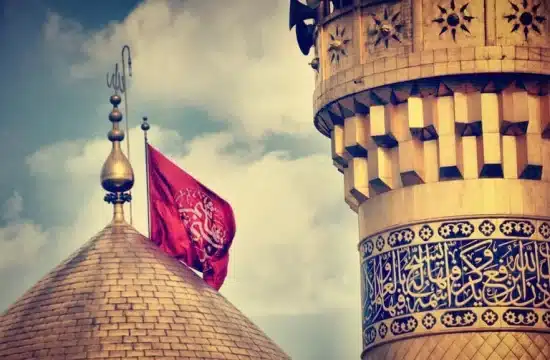
- The shrine of Imam Ali (a.s.) is located in Najaf, Iraq. Imam Ali, the first cousin of Prophet Muhammad and the fourth caliph, holds a central place in Shia Islam as a paragon of justice, wisdom, and piety. His shrine is one of the most significant pilgrimage destinations for Shia Muslims.
- The site is not only a place of worship but also a center for spiritual learning and reflection. Pilgrims visit Imam Ali’s shrine to seek blessings, gain insight, and express their devotion.
Historical Context:
- Imam Ali’s shrine has been a focal point of Shia devotion for centuries. His role as a leader and martyr is commemorated through the pilgrimage to his shrine, which stands as a testament to his enduring legacy and influence in Shia Islam.
- The historical significance of the shrine is intertwined with the broader narrative of Shia history, reflecting Imam Ali’s contributions to Islamic governance, theology, and justice.
The Shrine of Imam Hussein (a.s.):
Location and Significance:
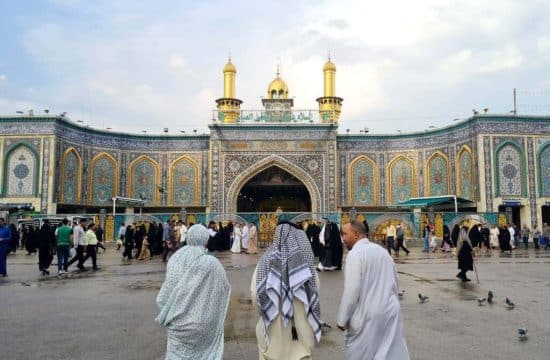
- The shrine of Imam Hussein (a.s.) is situated in Karbala, Iraq. Imam Hussein, the grandson of Prophet Muhammad and the son of Imam Ali, is revered for his martyrdom at the Battle of Karbala. His shrine is a central site for Ziarat and a symbol of resistance against oppression.
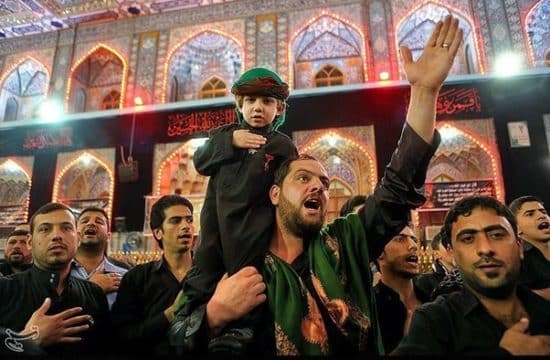
- The shrine of Imam Hussein serves as a place of deep mourning and reflection, particularly during the month of Muharram and on Ashura, commemorating his sacrifice and the principles for which he stood.
Historical Context:
- The Battle of Karbala, fought in 680 CE, represents a pivotal event in Islamic history. Imam Hussein’s martyrdom is commemorated annually by millions of Shia Muslims, and his shrine in Karbala stands as a powerful symbol of his stand against tyranny and injustice.
- The historical narrative of Karbala and its significance is a central theme in Shia theology and practice, with the shrine serving as a focal point for pilgrimages and rituals.
The Shrine of Imam Reza (a.s.):
Location and Significance:
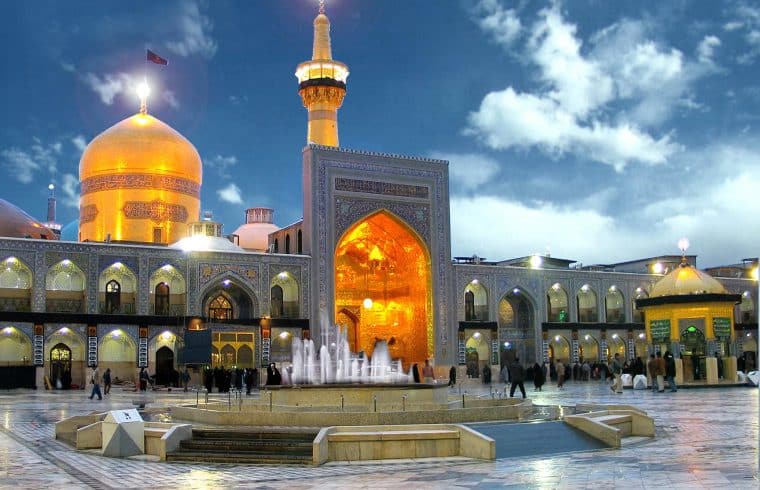
- The shrine of Imam Reza (a.s.) is located in Mashhad, Iran. Imam Reza, the eighth Shia Imam, is revered for his piety, knowledge, and spiritual leadership. His shrine is one of the largest and most visited pilgrimage sites in the Shia world.
- The shrine in Mashhad is a major center of pilgrimage and scholarship, attracting millions of visitors annually who come to seek blessings, engage in worship, and participate in religious activities.
Historical Context:
- Imam Reza’s life and contributions to Islamic thought are celebrated through his shrine. His role as a scholar and spiritual leader is reflected in the prominence of his shrine, which serves as a center for religious education and spiritual enrichment.
- The historical significance of Imam Reza’s shrine is also connected to the broader context of Shia history and the development of Shia institutions.
The Shrine of Fatimah al-Masumah (a.s.):
Location and Significance:
- The shrine of Fatimah al-Masumah (a.s.) is located in Qom, Iran. Fatimah al-Masumah, the sister of Imam Reza, is venerated for her knowledge, piety, and devotion. Her shrine is a significant site for Shia pilgrims, particularly women.
- The shrine serves as a place of worship and reflection, honoring her contributions to Islamic teachings and her role in supporting the Imamate.
Historical Context:
- Fatimah al-Masumah’s shrine holds historical significance as a center of devotion and scholarship. Her contributions to Islamic thought and her role in supporting the Shia community are reflected in the prominence of her shrine.
- The historical narrative of Fatimah al-Masumah’s life and her relationship with Imam Reza is integral to understanding the significance of her shrine in Shia Islam.
The Shrine of Imam Muhammad al-Jawad (a.s.):
Location and Significance:
- The shrine of Imam Muhammad al-Jawad (a.s.) is located in Kadhimayn, Iraq. Imam Muhammad al-Jawad, the ninth Shia Imam, is known for his piety and wisdom. His shrine, along with the shrine of Imam Musa al-Kadhim, attracts many pilgrims.
- The shrine serves as a site of devotion and reflection, honoring the contributions of Imam Muhammad al-Jawad to Islamic thought and practice.
Historical Context:
- Imam Muhammad al-Jawad’s life and teachings are celebrated through his shrine. His contributions to Shia scholarship and his role in the early Shia community are honored by pilgrims visiting his shrine.
- The historical context of Imam Muhammad al-Jawad’s life and the significance of his shrine are integral to understanding the broader narrative of Shia Islam.
The Spiritual Experience of Ziarat: Connecting with the Divine
Preparation for the Pilgrimage:
Spiritual Readiness:
- Preparing for Ziarat involves more than logistical arrangements; it requires a deep spiritual preparation. Pilgrims engage in acts of worship, seek forgiveness, and make heartfelt intentions before embarking on their journey. This preparation cultivates a sense of reverence and readiness for the pilgrimage.
- Spiritual readiness also involves setting personal goals for the pilgrimage, such as seeking divine blessings, gaining spiritual insight, or making a commitment to uphold Islamic values.
Educational Preparation:
- Understanding the historical and spiritual significance of the sites to be visited enhances the pilgrimage experience. Pilgrims may study the lives of the revered figures, the history of the sites, and the rituals associated with Ziarat to deepen their understanding and connection.
- Educational preparation includes learning about the historical context of the sites, the teachings of the figures honored, and the specific rituals and prayers associated with each location.
The Rituals and Reflections of Ziarat:
Performing the Ziarat Rituals:
- Upon arriving at the sacred sites, pilgrims engage in various rituals, including reciting specific prayers and supplications. These rituals are performed with a sense of reverence and connection to the historical figures honored at each site.
- The rituals may include specific acts of worship, such as offering prayers at the shrine, reciting the Ziarat prayers, and making personal supplications.
Personal Reflection:
- The pilgrimage offers an opportunity for deep personal reflection and spiritual growth. Pilgrims often find moments of introspection, seeking to align their lives with the teachings and values represented by the figures they are visiting.
- Personal reflection may involve contemplating the lessons learned from the lives of the revered figures, considering their own spiritual journey, and making commitments to personal and spiritual growth.
The Impact of Ziarat:
Spiritual Transformation:
- The Ziarat pilgrimage has a profound impact on the spiritual lives of pilgrims. Many report a heightened sense of connection with their faith, increased devotion, and a renewed commitment to living according to Islamic principles.
- The transformative power of Ziarat extends beyond the pilgrimage itself, influencing pilgrims’ daily lives, relationships, and spiritual practices.
Community and Connection:
- Ziarat also fosters a sense of community among pilgrims. Sharing the experience with fellow believers creates bonds of solidarity and mutual support, reinforcing the sense of belonging to the broader Islamic community.
- The pilgrimage provides opportunities for pilgrims to connect with others who share similar values and spiritual goals, strengthening their sense of community and support.
Lasting Legacy: The Continuing Influence of Ziarat
Preserving the Tradition:
Cultural and Religious Significance:
- The tradition of Ziarat continues to be a vital part of Shia religious practice and cultural heritage. Pilgrims’ dedication to preserving the memory and teachings of the revered figures ensures that this tradition remains a vibrant and meaningful aspect of Shia Islam.
- Efforts to preserve and promote the tradition of Ziarat include educational initiatives, religious scholarship, and the maintenance of pilgrimage sites.
Generational Impact:
- The legacy of Ziarat is passed down through generations, with families and communities sharing their experiences and teachings with younger generations. This transmission of knowledge and experience ensures that the spiritual and cultural significance of Ziarat continues to be valued and upheld.
- The impact of Ziarat on individuals and communities is reflected in the stories and teachings shared with future generations, contributing to the ongoing relevance and importance of this pilgrimage.
Ziarat as a Source of Inspiration:
Personal and Community Transformation:
- The transformative impact of Ziarat extends to both individuals and communities. The pilgrimage inspires pilgrims to strive for personal growth, social justice, and spiritual enrichment, contributing to positive changes in their lives and communities.
- The stories of personal transformation and the lessons learned from the pilgrimage serve as a source of inspiration and motivation for others, encouraging continued devotion and commitment to the principles of Islam.
Global Significance:
- Ziarat has a global impact, with pilgrims traveling from around the world to visit the sacred sites. The pilgrimage fosters a sense of global unity among Shia Muslims and highlights the shared values and beliefs that connect them.
- The international nature of Ziarat contributes to a broader understanding of Islamic traditions and the diverse expressions of faith within the global Muslim community.
Conclusion
The spiritual journey of Ziarat is a profound and transformative experience that offers believers an opportunity to connect deeply with their faith, explore sacred sites, and reflect on the historical significance of the pilgrimage. By engaging in the rituals, visiting revered sites, and reflecting on the teachings of the honored figures, pilgrims embark on a journey that transcends the physical and touches the very essence of their spiritual lives. The lasting impact of Ziarat continues to resonate throughout their lives, inspiring a renewed commitment to faith and a deeper understanding of the rich legacy of Shia Islam. The pilgrimage remains a vital and cherished aspect of Shia religious practice, contributing to the ongoing spiritual and cultural heritage of the Muslim community.