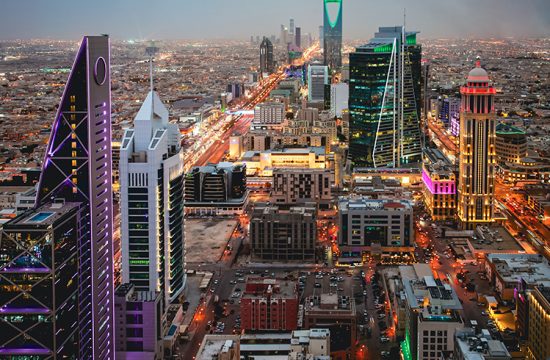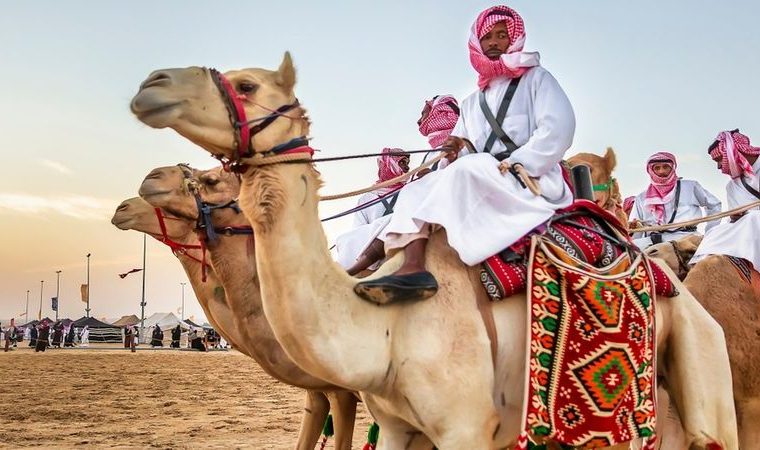
Saudi Arabia has long been shrouded in mystery for many travelers, its rich cultural tapestry largely hidden behind strict visa policies. Historically, access was limited to Muslims undertaking the sacred pilgrimage of Hajj or Umrah, and professionals tied to the oil industry, with little opportunity to explore beyond Mecca and Medina. However, 2019 marked a transformative moment for the Kingdom. With an ambitious rebranding campaign and the introduction of an e-visa system, Saudi Arabia opened its doors to the world, inviting visitors to experience its unique blend of language, cuisine, and religion.
Language in Saudi Arabia is not just a means of communication—it’s a window into its vibrant culture. Arabic, the official language, carries the poetic traditions of the Quran and reflects the deep spirituality that permeates daily life. Food, meanwhile, offers a sensory journey through the Kingdom’s historical crossroads, with dishes like Kabsa, dates, and falafel showcasing the fusion of global influences and local flavors. Religion remains central to Saudi identity, shaping not only the rhythm of daily life but also the country’s remarkable architecture, traditions, and festivals.
If you’re planning a visit to this culturally rich destination, understanding its language, food, and religion is essential to fully appreciate what Saudi Arabia has to offer. In this guide, I’ll share insights to help you navigate the Kingdom with respect and curiosity, ensuring your journey is both enriching and memorable. Let’s dive in!
Language in Saudi Arabia
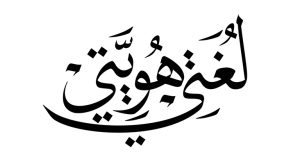
The official language of Saudi Arabia is Arabic, but there’s more to it than meets the eye. Arabic, as spoken in Saudi Arabia, differs significantly from Arabic, which is spoken in countries like Morocco or Egypt. Here are the main variants of Arabic you’ll encounter in Saudi Arabia:
Najdi Arabic
This is the central dialect of Saudi Arabia, primarily spoken in the central region, including the capital, Riyadh.
Hejazi Arabic
This dialect is spoken in the western region of Saudi Arabia, including Mecca and Medina. It has some unique features that distinguish it from other forms of Arabic.
Gulf Arabic
Spoken along the eastern coast, this dialect is common in cities like Dammam and Khobar.
If you’re traveling to Saudi Arabia, knowing a few basic phrases in Arabic is helpful and respectful. Many phrasebooks, however, focus on Egyptian or Moroccan Arabic, which might not be ideal for communication in Saudi. I recommend using a Hejazi Arabic phrasebook to help with common interactions. The great thing about this phrasebook is that it uses the Roman alphabet, so you won’t have to worry about learning the Arabic script.
English in Saudi Arabia
While English isn’t widely spoken across the country, many people working in tourism and hospitality talk about some level of English. In larger cities like Riyadh and Jeddah, younger Saudis are increasingly fluent in English, especially since many study abroad for their education.
While driving around, you’ll see signs in Arabic and Roman alphabets on main roads. However, speed limit signs are typically in Arabic only on less urbanised routes.
Other Languages in Saudi Arabia
Due to the large number of expats—about 30% of Saudi Arabia’s population—it’s not uncommon to hear languages like Tagalog, Urdu, and Hindi, especially in urban areas and within the workforce. Many service workers in Saudi Arabia come from countries like India, Pakistan, and the Philippines, so if you speak some of these languages, you’ll likely have no trouble getting around.
Overall, while Arabic is the official language, don’t let the language barrier stop you from enjoying your trip—learning a few basic phrases or using translation apps can go a long way toward making your experience smoother and more enjoyable.
The Arabic alphabet
The Arabic alphabet is written from right to left, which can be a bit of a head-scratcher if you’re used to reading left to right. But what makes it tricky (in my humble opinion) is how drastically some letters change depending on where they appear in a word—beginning, middle, or end. And as if that weren’t enough, a single dot can completely change the sound of a letter.
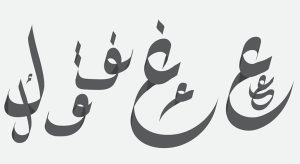
Despite its complexity, learning just a handful of letters can be surprisingly useful, especially for deciphering signs and identifying different options while traveling around. I tried to tackle the Arabic alphabet using the Duolingo app during my travels in Saudi Arabia. And let’s say it was a journey full of shouting at my phone. The app kept asking me to produce guttural sounds and read what felt like incomprehensible squiggles—neither of which I could remotely replicate without looking like I was having a breakdown.
Arabic Numerals: A Simpler Task
Now, if you don’t feel up to mastering the full alphabet (no shame in that!), I strongly recommend learning Arabic numerals. Fortunately, these are much simpler to grasp since only ten exist. Plus, you’ll need to know these numerals to read things like prices, phone numbers, and speed limit signs if you plan to travel by car in Saudi Arabia. The numbers themselves are not only essential for practical purposes but also much easier to recognize and use compared to the full alphabet.
In short, while the Arabic alphabet can feel overwhelming, learning a few key letters or numerals will make your trip to Saudi Arabia much smoother—especially when navigating around or making purchases.
Religion in Saudi Arabia
Religion is deeply intertwined with every aspect of life in Saudi Arabia, as Islam is not only the state religion but also the central aspect of the country’s identity. Saudi citizens are required to be Muslim, and publicly practicing any religion other than Islam is forbidden. This strong religious influence is evident in the daily routines, cultural practices, and even the country’s legal system, which is based on Islamic law (Sharia).
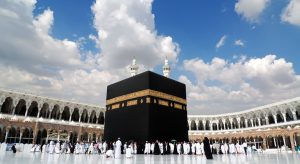
The Impact of Prayer Times
Prayer times are an important part of daily life in Saudi Arabia, with the country following the five daily prayers of Sunni Islam:
- Fajr (pre-dawn prayer)
- Duhr (midday prayer)
- Asr (afternoon prayer)
- Maghrib (evening prayer)
- Isha (night prayer)
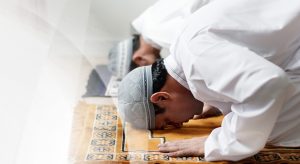
Each prayer time has its specific time window, and the exact times vary slightly daily. During prayer times, everything shuts down—from shops to restaurants and cafes—to allow people to pray. This break typically lasts around 15 minutes to half an hour, with most establishments reopening afterward. While public observance of prayer times is taken seriously, the strict enforcement of individuals praying during these periods has relaxed recently. The religious police, once active in ensuring everyone prayed, are no longer as vigilant as they once were.
Sunni and Shia Muslims in Saudi Arabia
The vast majority of Saudi Arabia’s population follows Sunni Islam, which the Wahhabi and Salafi schools of thought predominantly influence. These schools are known for their relatively strict and traditional interpretations of the Quran and are central to the kingdom’s religious culture.
However, Shia Muslims make up a smaller minority in Saudi Arabia, and they face regular discrimination. Despite their historical presence in the region, the Shia community often finds itself marginalized in various aspects of Saudi life.
Religion shapes Saudi Arabia’s public and private spheres, guiding everything from work hours to social interactions and government policy. Understanding and respecting this deeply ingrained religious structure is essential for visitors to the Kingdom.
Minority religions in Saudi Arabia
Saudi Arabia has an important immigrant population, particularly from countries like the Philippines, India, Pakistan, and Bangladesh. This diverse group has brought with it a variety of religions, including Christianity, Hinduism, Sikhism, and Buddhism. However, Saudi Arabia remains a strictly Islamic state, and while non-Muslims can live and work in the country, the practice of any faith other than Islam is heavily restricted.
Restrictions on Non-Muslim Worship
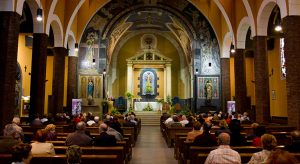
Public worship is not allowed for non-Muslims in Saudi Arabia. Religious buildings, such as churches, temples, and synagogues, are forbidden. Though non-Muslim individuals may privately practice their faith within the confines of their homes or designated private spaces, any attempt to proselytize—including activities like distributing religious texts (e.g., Bibles)—is strictly illegal and can lead to serious legal consequences. Proselytizing is considered an act of spreading non-Islamic beliefs and is heavily punished under Saudi law.
Discretion and Respect
As a visitor to Saudi Arabia, I find respect for local customs supreme. Non-Muslims are permitted to practice their faith in private, but it must be done discreetly. Open discussions or debates about religion with Saudis should be avoided, as they may be seen as disrespectful or confrontational. It is essential to remember that Saudi Arabia’s identity is rooted in Islam, and discussions that challenge this could be met with hostility.
Atheism and Secular Beliefs
Atheism is not accepted in Saudi Arabia, and people who identify as atheists must be extremely secretive about their beliefs. Public expressions of atheism are prohibited, and the consequences can be severe. Even those who do not follow a religion but do not openly declare it are advised to identify with faith when interacting with locals, as non-believers may face important social and legal risks.
Food in Saudi Arabia
If you’re a food lover, be prepared to indulge in Saudi Arabia’s rich culinary offerings. Many visitors, including myself, find it nearly impossible to leave without gaining a few pounds!
For centuries, Saudi Arabia has been a meeting point of cultures. Traders arrived from the north by horse and camel, while others traveled by sea. Additionally, Muslim pilgrims from across the globe have journeyed to Mecca, infusing the region with diverse cultural and culinary influences. Consequently, Saudi cuisine reflects a rich tapestry of flavors, with many dishes having origins outside the country. Popular staples like fuul (bean stew), falafel, and shawarma have become integral to everyday diets, even though they are not traditionally Saudi.
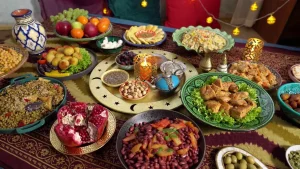
When exploring authentic Saudi flavors, keep an eye out for these iconic dishes:
- Kabsa: A beloved dish of roasted chicken served with fragrant rice, available everywhere.
- Dates: Considered among the finest globally, Saudi dates come in various types and flavors. The Qassim region is renowned for producing the best.
- Jareesh: A comforting crushed wheat porridge garnished with savory onions and dried lime.
- Murtabak: A crispy stuffed pancake filled with meat or vegetables.
- Tharid: A hearty lamb stew served alongside bread, blending spice and warmth.
- Laban: A creamy yogurt-based drink, refreshing and slightly tangy.
- Mamuul: Sweet date-filled cookies, a delightful treat for dessert lovers.
- Arabic coffee: Unlike Western-style coffee, this brew is light, yellow, and infused with aromatic cardamom, offering a bitter yet fragrant experience.
Saudi meals are rich, aromatic, and generously spiced. They often center around rice or bread and are complemented by creamy laban. Meat is a staple in main dishes, while meals typically conclude with sweet tea, adding a touch of elegance to the dining experience.
Dining Customs in Saudi Arabia
Understanding and respecting Saudi dining traditions can significantly enhance your experience. While locals may forgive cultural faux pas from visitors, embracing these customs shows appreciation for their rich heritage.
Traditional Dining Setup
Saudi meals are typically communal, with food served on a large central platter that everyone shares. Traditionally, meals are enjoyed while seated on a mat on the floor. Leaning against comfortable cushions, diners gather around the food, creating an atmosphere of warmth, togetherness, and connection. Meals here are not just about sustenance—they’re moments of bonding and community.
Eating with Your Hands
Eating with one’s hands is deeply rooted in Saudi tradition. Before and after meals, ensure your hands are washed, as cleanliness is paramount. Use only your right hand for eating, as the left hand is reserved for tasks considered unclean. Even when passing food or offering servings, always use your right hand as a gesture of respect and cultural mindfulness.

Posture Matters
While dining on the floor, it’s important to maintain respectful posture. Keep your legs crossed or your knees bent, avoiding the extension of your feet toward others, as this can be perceived as impolite. By tucking your feet away, you show thoughtfulness and respect for those around you, ensuring a harmonious dining experience.
Generosity and Hospitality
Saudi hosts are famously generous, often encouraging guests to eat more and providing additional servings even when their guests are full. To prevent overindulgence, politely express your satisfaction before reaching your limit. Similarly, accepting refills of coffee or tea when offered is considered courteous, as declining may unintentionally appear disrespectful.
Vegetarian and Vegan Dining in Saudi Arabia
Though meat dominates Saudi cuisine, vegetarians and vegans will find many flavorful options, particularly in larger cities like Riyadh and Jeddah. With a growing awareness of plant-based diets, some high-end restaurants cater specifically to vegetarian and vegan preferences. Even a prominent Saudi prince has embraced veganism, reflecting a shift toward greater dietary inclusivity.
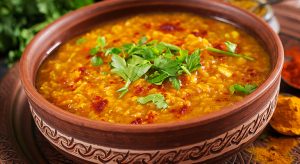
Here are some plant-based dishes to savor:
- Falafel: Deep-fried chickpea or fava bean patties served with fresh vegetables, typically wrapped in pita bread.
- Fuul: A hearty dish of fava beans seasoned with olive oil, garlic, and lemon, offering both flavor and nourishment.
- Vegetable Murtabak: A savory stuffed pancake packed with vegetables, making it a delightful snack or meal.
- Dal Tamiz: A simple yet satisfying pairing of lentils and bread, perfect for vegetarians.
- Hummus: Creamy and rich, this classic chickpea dip is a versatile and delicious accompaniment to bread.
- Moutabel (Baba Ghanoush): A smoky eggplant dip that adds depth and flavor to any meal.
- Masoub: A sweet treat combining mashed bananas with bread pudding, providing a unique dessert experience.
Although plant-based options may not be as widespread as in some countries, they remain diverse and delicious. Whether dining in urban centers or exploring smaller towns, vegetarians and vegans can delight in discovering the culinary treasures of Saudi Arabia.
By immersing yourself in Saudi Arabia’s dining traditions and culinary offerings, you’ll not only savor its rich flavors but also gain a deeper appreciation for the country’s vibrant culture.
Final Thought
In conclusion, Saudi Arabia’s cultural trilogy of language, religion, and food offers a captivating blend of tradition, spirituality, and flavors that reflect its rich heritage and evolving modern identity. From the poetic elegance of Arabic and the profound influence of Islam to the irresistible allure of its cuisine, the Kingdom provides visitors with a deeply immersive experience. By embracing these cultural elements with curiosity and respect, travelers can unlock a truly enriching journey through one of the world’s most intriguing destinations.
To